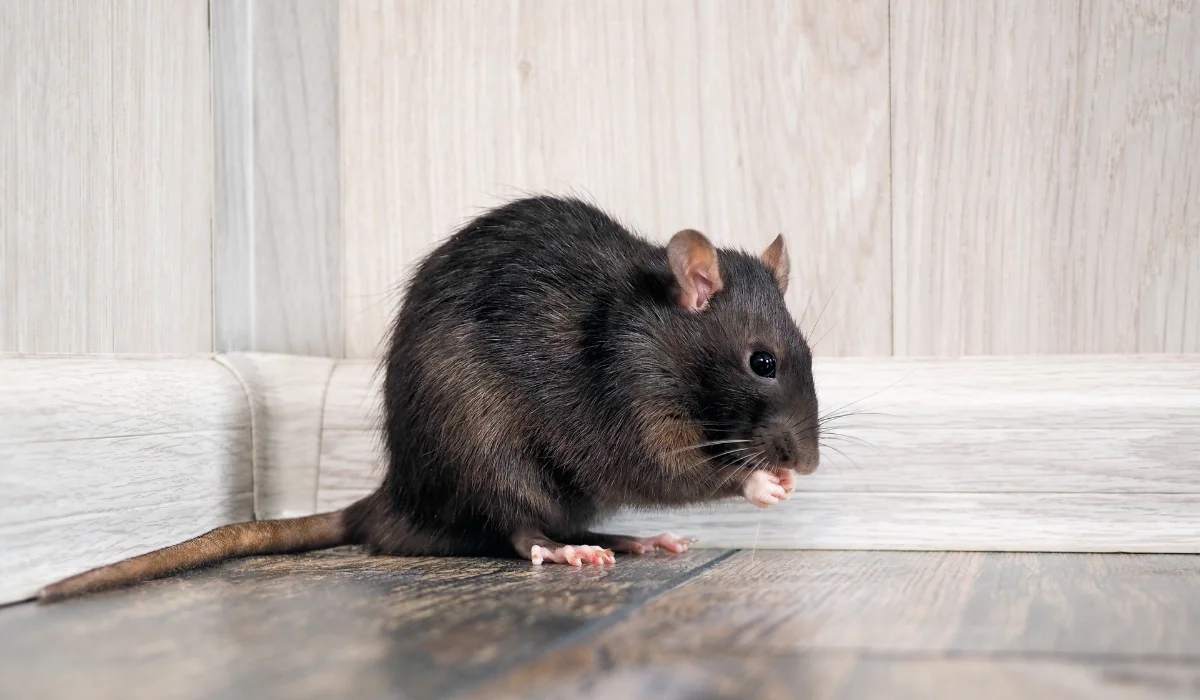
Many homeowners notice scratching, scurrying sounds, or small rodent droppings before they ever see the animal. When that happens, one question usually comes up first: Is it a rat or a mouse?
Knowing the difference helps you choose the right rodent control services or plan for your situation. Rats and mice behave differently, enter buildings in different ways, and leave behind different signs. Both can create a rodent infestation if ignored.
This guide shows the key differences between mice and rats so homeowners, tenants, and property managers can identify the rodent problem and choose the right next steps.
Key Takeaways
- Mice are much smaller than rats and have larger ears and thinner bodies.
- Rat droppings are larger, while mouse droppings look like small grains of rice.
- Gnaw marks, shredded paper, and nesting areas can signal a rodent infestation.
- Sealing entry points helps stop rodents from entering buildings.
- Professional pest control can identify the rodent and implement a plan to control the problem.
Rat Vs. Mouse: Quick Visual Differences
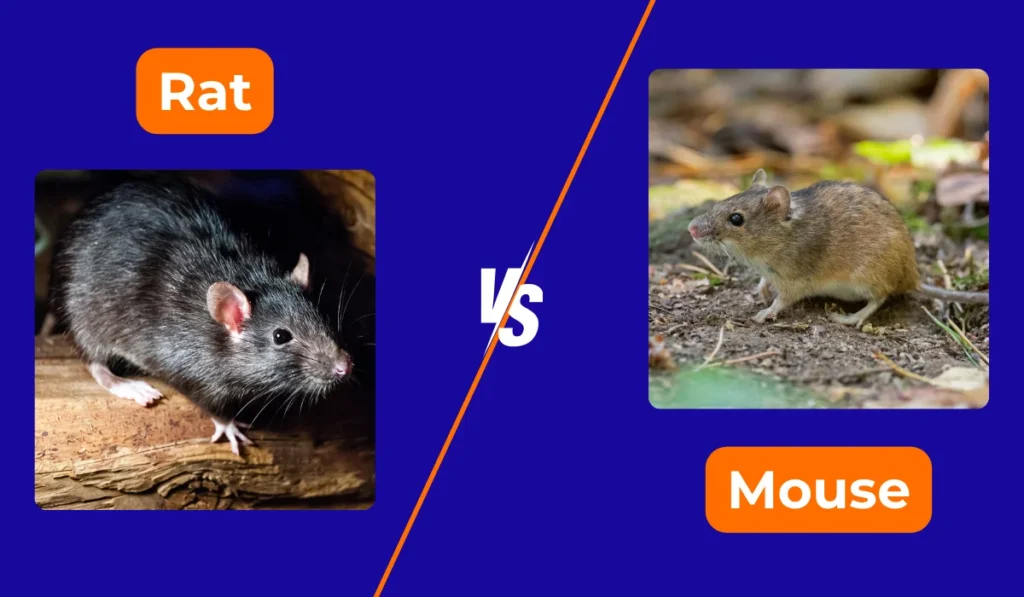
The fastest way to tell the difference between rats and mice is by appearance. These types of rodents may seem similar at first glance, but a closer look shows clear differences.

Body Size
Size is the first clue. An adult mouse is small and usually only a few inches long. Even a female mouse stays much smaller than most rats.
By comparison, adult rats are much larger. Several rat species, including roof rats and Norway rats, are larger than mice and have thicker bodies.
Body Shape
Mice have small, slim bodies and short legs. Rats appear heavier and more solid. Their heads also look broader.
A house mouse often looks quick and light when it moves, while rats tend to move in a slower but stronger way.
Movement Style
Mice move fast and dart between objects. You may notice quick scurrying along walls or behind furniture.
Rats move more cautiously. They often follow the same paths along walls or beams, and many species are strong climbers that travel along rafters, pipes, and rooflines.
Size, Tail, and Ear Checklist
Looking at body features can also help confirm the difference. These details are easier to spot when you see the rodent or a clear photo of it.
Tail Appearance
Both rats and mice have long tails, but their tails differ in shape. Mouse tails are thin and often appear hairless, with a slightly scaly texture.
Rat tails are thicker and longer in proportion to the body. They also look hairless and scaly.
Ear Size
Mice have large ears compared to their heads. Their large ears are easy to see.
Rats have smaller ears that sit closer to the head.
Whiskers and Face Shape
Mice usually have pointed noses and noticeable whiskers. Rats have a blunter face.
These small details help confirm which rodent you are seeing.
Droppings, Tracks, and Rub Marks
Often, you never see the animal itself. Instead, you find clues left behind during a rodent infestation. Recognizing these signs early can also help homeowners protect themselves from rodent-carried diseases linked to contaminated surfaces and droppings.
Mouse Droppings
Mouse droppings are small and shaped like grains of rice. They often have pointed ends. In some areas, rodents such as deer mice leave similar droppings, making identification harder without seeing the animal.
You may find them in drawers, cabinets, or near stored food. Treat all droppings as biohazards. Mice and rats carry disease and shed disease-causing microbes and viruses in urine and droppings.
Rat Droppings
Rat droppings are larger and thicker than mouse droppings. They usually have rounded edges rather than pointed ends.
Large numbers of droppings can signal a rat infestation.
Gnaw Marks and Nesting Signs
Rodents constantly chew. Look for gnaw marks on wood, cardboard, or wiring.
In nesting areas, you may find shredded paper, fabric, or insulation. Rodents use these materials to build nests.
Next Steps After You ID It
Once you identify the rodent, the next step is to stop the infestation and prevent new ones.
Remove Food and Water Sources
Rodents stay where food is easy to find. Store pet food in sealed containers and clean up crumbs quickly.
Remove outdoor food sources and reduce access to water sources, such as leaking pipes or standing water.
Seal Entry Points
Rodents often enter through small gaps around pipes, vents, or doors. Sealing these entry points helps stop new rodents from entering.
Avoid DIY Repellents
Many people try DIY repellents to get rid of mice or rats. Most of these methods only work for a short time.
Rodents often return if the root problem, such as ready food, entry points, and nesting areas, is not fixed.
Consider Professional Pest Control
If signs persist, it may be time to seek professional pest control services. A technician can identify the rodent species and create a removal plan.
A professional inspection can also help address other pest issues homeowners sometimes notice, such as cockroaches or termite activity.
Schedule a Rodent Inspection and Exclusion Quote
If you suspect a mouse or rat infestation, early action can prevent more extensive damage. At Thrasher Pest Control, we provide professional rodent control services for homes across San Diego County.
A technician can inspect the home, locate entry points, and start a rodent control plan. If needed, we can also help with gopher control and termite inspections to address multiple pest issues at once.
Contact us today to schedule a rodent inspection and learn how we help homeowners solve rodent problems.
FAQs
How can I tell if I have mice or rats?
Check the droppings, size, and movement. Mouse droppings are small with pointed ends, while rat droppings are larger and thicker.
Do mice and rats live in the same areas?
Sometimes. Both look for food sources and shelter, but mice usually nest inside walls or cabinets,and behind ranges and dishwashers. Rats often nest in garages, attics, crawl spaces, or outdoors.
Should I call pest control for a rodent problem?
If you see repeated droppings, gnaw marks, or signs of nesting, a professional pest control company can inspect the property and recommend rodent control options.