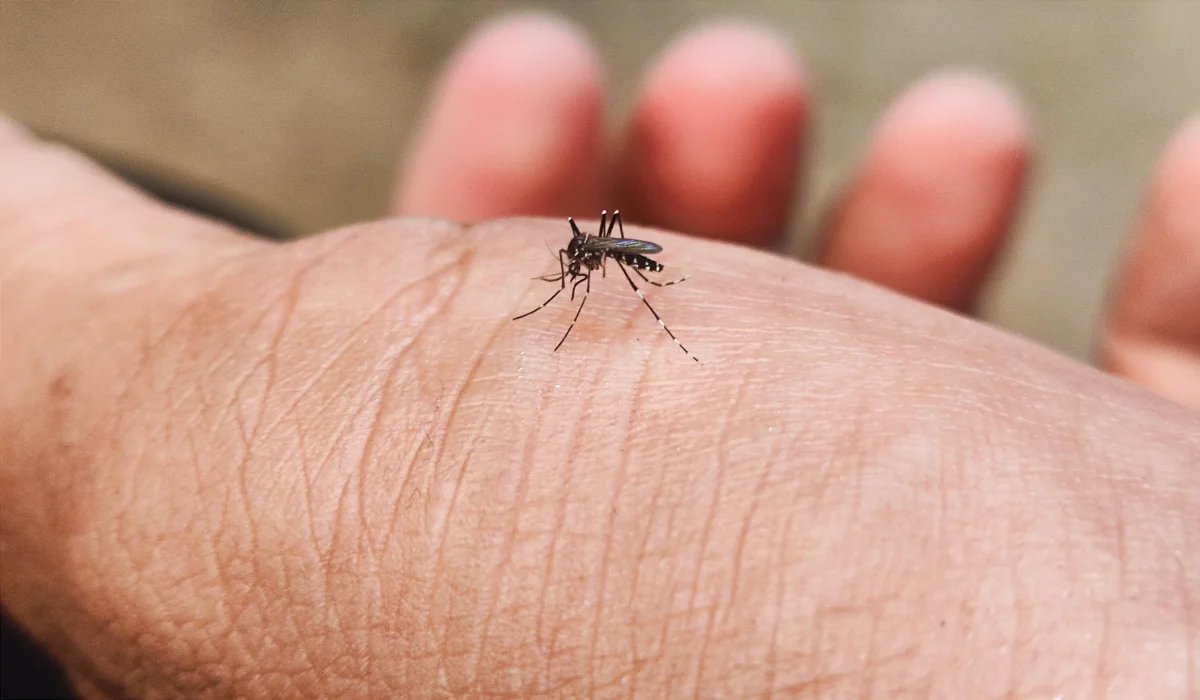
How to Reduce Mosquitoes on Apartment Patios in Oceanside

mosquitoes in apartment

Oceanside offers warm weather and year-round outdoor living, making patios a popular place to relax. But mosquitoes can quickly make your patio hard to enjoy.

If you want to reduce mosquito populations on your patio, you are not alone. Many homeowners and renters deal with this, especially near the coast, where moisture builds up.

Even small patios can attract mosquitoes. Standing water, crowded plants, or poor drainage can increase mosquito activity and make mosquito control more difficult. Higher mosquito activity means more mosquito bites and less time enjoying your outdoor space.

The goal is not a completely mosquito-free patio. Instead, focus on lowering mosquito populations so your space feels more comfortable.

Key Takeaways

  • Removing standing water is one of the best ways to reduce mosquito populations.
  • Using mosquito repellent and similar devices protects seating areas from mosquito bites.
  • Mosquito-repelling plants like citronella, lemongrass, and marigolds support other control steps.
  • Keeping your outdoor space clean and uncluttered reduces hiding spots and breeding areas.
  • You may need professional mosquito control if the problem keeps coming back.

How to Reduce Mosquitoes on Apartment Patios

Reducing mosquito activity starts with simple steps that protect your outdoor area and limit breeding grounds.

Remove Standing Water From Small Areas

Standing water is the main reason mosquitoes show up and can lead to infestations. Mosquito larvae grow in very small amounts of water, so containers can become a problem.

Check flower pots, trays, buckets, and bird baths often. In apartments, shared areas like gutters, walkways, and low spots can collect water. Keeping your patio and nearby areas dry helps stop mosquito populations from growing.

Use Mosquito Repellent in Seating Areas

Mosquito repellent protects seating areas from bites. Products with DEET or similar ingredients work well.

Citronella candles and mosquito coils can help reduce mosquito activity around seating areas. A fan is also effective, since mosquitoes are weak flyers and have trouble landing in moving air.

Add Mosquito-Repelling Plants and Manage Greenery

Mosquito-repelling plants like citronella, lemongrass, peppermint, and marigolds can act as natural repellents and help reduce activity.

These plants work best with other steps. At the same time, avoid overcrowding your patio with too many plants or decorations, since dense greenery creates shaded resting spots for adult mosquitoes.

Use Barriers Like Mosquito Nets

Mosquito nets create a barrier that keeps biting insects away when used properly.

Outdoor curtains or netting are easy to use on apartment patios, making them a practical choice for renters.

Use Tools Like Mosquito Traps and Devices

Mosquito traps reduce mosquito populations over time by attracting and capturing them.

Place traps away from seating areas so they draw mosquitoes away from you. Some tools, such as bug zappers with UV light, are not recommended near seating areas. They may attract more mosquitoes than they eliminate. 

Keep Mosquitoes Out of Your Apartment

Check the weather-stripping around patio screens for a tight fit. Repair any holes in the screen that may let mosquitoes through. They can invade your apartment through the smallest tear.

What Attracts Mosquitoes to Apartment Patios

Mosquitoes are drawn to common patio features.

Moisture and Standing Water Sources

Standing water creates breeding grounds for larvae. Water can collect in flower pots, gutters, and other outdoor items, even in small amounts.

Keeping your patio and surrounding areas dry helps prevent mosquito activity.

Outdoor Lighting Choices

Incandescent lights attract mosquitoes. LED and fluorescent lights neither attract nor repel mosquitoes.  

However, dimmer or warm-colored LED bulbs tend to attract fewer insects than bright white lights. Reducing unnecessary outdoor lighting can also help limit mosquito activity around your patio.

Human Activity and Carbon Dioxide

Mosquitoes are attracted to carbon dioxide and body heat from people, and some species are known to transmit diseases such as Zika.

Patios used for eating or relaxing attract adult mosquitoes, so combining repellents and barriers helps reduce bites.

Plants and Decorative Items

Plants and decorations can create hiding spots. Thick plants and crowded flower pots provide shade.

Mosquito-repelling plants like citronella and lemongrass can help, but too many plants can create more hiding places.

Keep your outdoor space clean and spaced out.

Apartment Patio Problems That Worsen Mosquito Activity

Some issues can worsen mosquito problems.

Poor Drainage in Shared Spaces

Shared drainage problems can affect multiple units. Water buildup in clogged gutters or low areas creates breeding grounds for mosquitoes.

Fixing drainage issues and reporting them helps reduce mosquito populations across the property.

Overcrowded Outdoor Areas

Too much furniture, storage, or clutter creates shaded areas where mosquitoes rest.

Keeping your outdoor area open improves airflow and makes problems easier to spot.

Inconsistent Maintenance

Skipping regular cleaning allows water and debris to build up, which can attract mosquitoes.

Simple DIY steps like emptying containers, plant saucers, and wiping surfaces help prevent problems over time.

Mosquito Control for Oceanside Apartment Patios

Sometimes DIY steps are not enough to control mosquitoes, especially in Oceanside, where moisture and shared spaces increase mosquito populations.

Professional mosquito control can help reduce mosquito activity over time by targeting breeding sites and limiting larval development. This approach manages mosquito populations more effectively, especially in apartment settings where multiple units may be affected.

Making the Right Mosquito Control Choice for Your Oceanside Patio

Mosquito activity on apartment patios can be frustrating, especially in coastal areas like Oceanside, where conditions allow them to stay active longer. Staying consistent with prevention and paying attention to small changes around your patio can make a noticeable difference over time.

For ongoing issues, Thrasher Pest Control can provide support to property managers that is suited to apartment settings and shared spaces.

Contact us today to schedule a service.

FAQs

What is the best way to get rid of mosquitoes on a small patio?

Start by removing standing water and using mosquito repellent. Add mosquito nets or a fan for extra protection. Mosquitoes are not strong flyers, and a fan can keep them from settling on you. These steps reduce mosquito bites and activity.

Do citronella candles actually work on apartment patios?

Citronella candles help in small spaces when placed near seating areas. They work best when combined with insect repellent.

When should I call pest control for mosquitoes?

Tenants should report unresolved problems promptly to property management. In San Diego, pest control is a landlord’s responsibility. Professional pest control routinely works with property managers to follow-up with tenants.

Multiple reports usually mean nearby hidden breeding areas need professional mosquito control.

Contributor

Garrett Thrasher

Co-owner & General Manager, Thrasher Pest Control

Garrett Thrasher is the Co-owner and General Manager of Thrasher Pest Control, where he leads day-to-day operations for the company’s growing San Diego team. With decades of hands-on industry experience, he specializes in termite control, bed bug management, and solving complex pest problems with practical, long-term solutions.

Table of Contents

Pest-Free Starts With One Call

Privacy Policy

A helpful member of our team will follow up within 15 minutes during business hours to give you a free quote.

San Diego's Pest Control FAQs

Get a free inspection when you book a pest control service.

What pests are covered in your pest control services?

Thrasher Pest Control provides solutions for a wide range of common pests affecting San Diego’s homes and businesses. Services commonly address ants, cockroaches, spiders, rodents, termites, fleas, and other structural or seasonal pests common to San Diego properties. During an inspection, technicians identify the pest activity affecting the property and recommend the most appropriate treatment approach based on the infestation and conditions present.

Response times depend on scheduling availability and the type of service requested. In many cases, technicians are able to schedule service within a short timeframe after a request is received. During the initial contact, the team reviews the pest concern and schedules the earliest available appointment for inspection and treatment.

Preparation requirements vary depending on the type of pest and treatment being performed. For most general pest services, minimal preparation is needed beyond allowing technicians access to key areas of the home and exterior. For specialty services such as bed bug treatments or termite work, the team may provide specific preparation instructions before the scheduled appointment.

Most pest control services begin with a detailed inspection of the property to identify pest activity, entry points, and conditions that may attract pests. After the inspection, technicians apply targeted treatments to affected areas using methods appropriate for the pest involved. Preventive measures such as sealing entry points, removing attractants, and monitoring pest activity are then recommended to help reduce future infestations.

Thrasher Pest Control offers a limited warranty period after the initial treatment. If the target pest is found again in the previously treated area during the warranty period, technicians may return to re-treat the area according to the service agreement. Warranty eligibility depends on the service provided and the property conditions being maintained as recommended by the technician.