How Fruit Trees Can Attract Rodents in Carlsbad

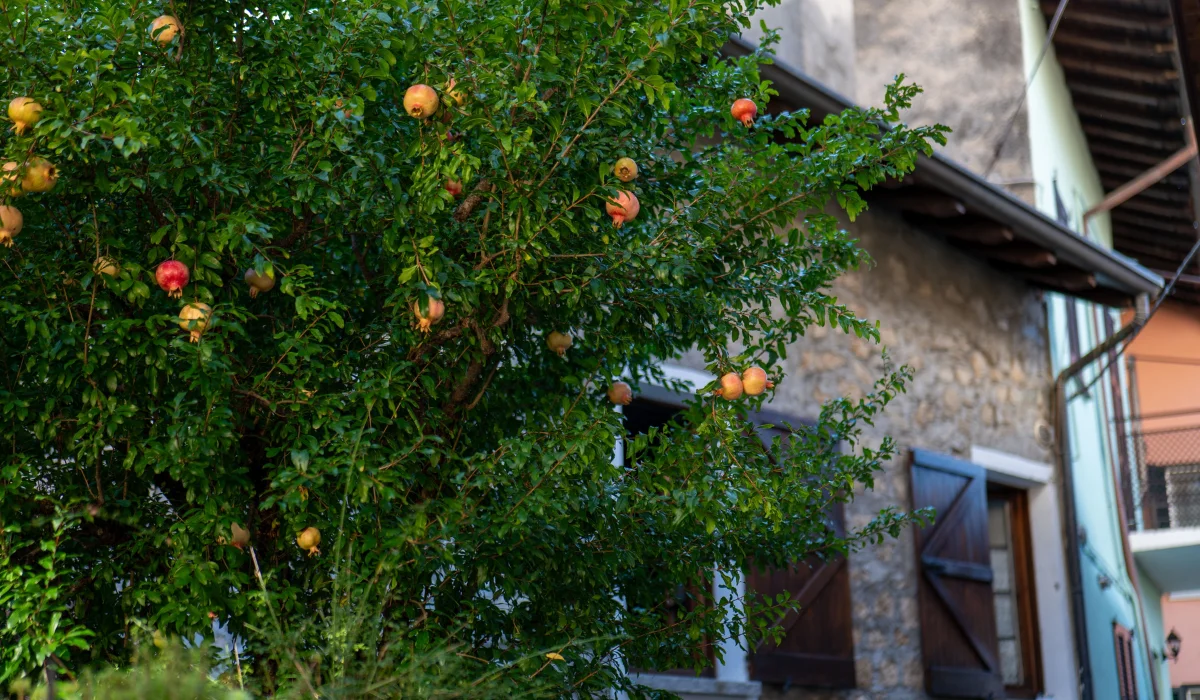
fruit tree in carlsbad

Fruit trees are common in Carlsbad. Homeowners grow avocado, citrus, pomegranate, guava, and persimmon trees in their yards. These trees provide shade and fresh fruit.

But fruit trees can also attract rodents and other critters. If you notice droppings, chewed fruit, or noise at night, rodents may already be in your yard.

Understanding why fruit trees attract rodents helps you protect your home and yard. You do not need to remove your trees. You just need to manage what attracts pests.

With the right steps, you can enjoy your fruit trees while lowering the risk of a rat infestation through proper rodent control.

Key Takeaways

  • Fruit trees such as avocados, persimmons, and citrus attract rodents by providing food and shelter.
  • Fallen fruit and poor cleanup increase the risk of a rat infestation.
  • Trimming low-hanging branches and adding rat guards helps block roof rats.
  • Using traps, baiting, and exclusion together works better than one method alone.
  • Professional pest control is helpful when rodent activity persists.

How Fruit Trees Attract Rodents

Fruit trees draw rodents because they provide food, shelter, and access to your home.

Fruit Creates Easy Food

Ripe fruit is a main reason rodents show up. When an avocado, persimmon, or guava falls, it creates an easy food source that keeps roof rats and other critters coming back. Ripe citrus and pomegranate stay on the tree providing rats a meal with a view.

Regular harvesting and clean-up removes this food source before the problem grows.

Tree Canopies Provide Shelter

Thick branches and leaves give rodents places to hide. Citrus and guava trees often grow dense canopies that protect rodents from predators.

When trees are close to roofs or fences, they create a path for roof rats to reach your home.

Fruit Variety Increases Attraction

Having multiple fruit trees raises the chances of attracting pests. A mix of avocado, persimmon, and citrus trees provides food across seasons and supports steady rodent activity.

Fruit trees from nearby neighbors can also contribute to the problem.

Nearby Water And Activity

Rodents seek out areas with steady moisture. Overwatered soil or irrigation near tree trunks makes your yard more attractive.

Fruit can attract other pests, such as wasps, which can increase activity around your property.

Fruit Tree Conditions That Increase Rodent Activity

Some conditions make fruit trees more likely to attract rodents.

Overgrown Branches

When you do not trim branches, rodents can climb to your roof. Trees that touch your home increase the chance of rodents getting in.

Keeping branches trimmed helps block access.

Lack of Barriers on Trees

Without barriers, rodents can easily climb tree trunks. Adding rat guards made from sheet metal helps limit access.

Neglected Ground Areas

Yards with debris, weeds, and fallen fruit give rodents food and shelter. Areas under fruit trees often build up debris.

Keeping the area clean helps reduce rodent activity.

Damage to Young Trees

Rodents like voles chew on bark, especially on young trees. This damage, called girdling, can affect tree health.

Protecting young trees early helps prevent long-term damage.

What Helps Lower Rodent Pressure Around Trees

You can reduce rodent problems by changing your habits.

Clean Up Fallen Fruit Regularly

Pick up fallen fruit from avocado, persimmon, and guava trees to remove a major food source.

Regular cleanup can help lower rodent activity over time and is one of the most practical DIY steps homeowners can take.

Strip Trees of Ripe Fruit

Citrus and pomegranate hold on to ripe fruit. When fruit is ready to harvest, remove it from the tree. Rats will happily eat fruit still on the tree.

Trim Trees And Improve Spacing

Trim branches so they stay away from your home and fences. Keeping branches at least 4 feet away from the roof helps limit rodent access to your house.

Use Traps Carefully

Snap traps, mouse traps, and rat traps can help control small problems. Be careful to set the traps properly. Rats are smart! If they escape on the first try, they will avoid snap traps forever. Bait un-set traps with food for a few days before setting the trigger. Rats learn traps are “safe” and become easier to catch.

Focus On Exclusion And Prevention

Exclusion means blocking entry points into your home by sealing gaps, vents, and openings.

Integrated pest management combines cleanup, trapping, and prevention, and works better than one method alone.

Rodent Control for Carlsbad Fruit Tree Issues

In Carlsbad, fruit trees and warm weather can create ideal conditions for rodents. When activity increases, DIY steps may not be enough.

We provide rodent control services that focus on inspection, trapping, and exclusion. Our process includes identifying entry points, setting traps, baiting when necessary, and creating a plan to prevent future issues.

This approach helps manage roof rats, mice, and other common rodents without relying on quick fixes. It is especially helpful when conditions, such as fruit trees, continue to attract rodents.

Making the Right Rodent Control Choice for Your Carlsbad Property

Rodent activity around fruit trees can become a long-term issue if you do not act early. Long-term results come from staying consistent and addressing activity before it grows.

Thrasher Pest Control provides rodent control and exclusion services tailored to properties in Carlsbad. 

Contact us today to schedule an inspection.

FAQs

Do fruit trees always attract rodents?

Fruit trees can attract rodents, but they do not always cause problems. Issues arise when there is fallen fruit, ripe fruit left on the tree, poor cleanup, or easy access to tree trunks and roofs.

What types of rodents are common around fruit trees in Carlsbad?

Roof rats are the most common, but you may also see mice or voles near fruit trees. Other wildlife such as opossums, skunks, and raccoons also seek out food sources such as avocados and persimmons.

What is the best way to prevent a rat infestation from fruit trees?

Focus on clean up, harvesting ripe fruit, trimming trees, and using exclusion methods. Removing fallen fruit and blocking access to your home can help reduce the risk of a rat infestation.

Contributor

Garrett Thrasher

Co-owner & General Manager, Thrasher Pest Control

Garrett Thrasher is the Co-owner and General Manager of Thrasher Pest Control, where he leads day-to-day operations for the company’s growing San Diego team. With decades of hands-on industry experience, he specializes in termite control, bed bug management, and solving complex pest problems with practical, long-term solutions.

Table of Contents

Pest-Free Starts With One Call

Privacy Policy

A helpful member of our team will follow up within 15 minutes during business hours to give you a free quote.

San Diego's Pest Control FAQs

Get a free inspection when you book a pest control service.

What pests are covered in your pest control services?

Thrasher Pest Control provides solutions for a wide range of common pests affecting San Diego’s homes and businesses. Services commonly address ants, cockroaches, spiders, rodents, termites, fleas, and other structural or seasonal pests common to San Diego properties. During an inspection, technicians identify the pest activity affecting the property and recommend the most appropriate treatment approach based on the infestation and conditions present.

Response times depend on scheduling availability and the type of service requested. In many cases, technicians are able to schedule service within a short timeframe after a request is received. During the initial contact, the team reviews the pest concern and schedules the earliest available appointment for inspection and treatment.

Preparation requirements vary depending on the type of pest and treatment being performed. For most general pest services, minimal preparation is needed beyond allowing technicians access to key areas of the home and exterior. For specialty services such as bed bug treatments or termite work, the team may provide specific preparation instructions before the scheduled appointment.

Most pest control services begin with a detailed inspection of the property to identify pest activity, entry points, and conditions that may attract pests. After the inspection, technicians apply targeted treatments to affected areas using methods appropriate for the pest involved. Preventive measures such as sealing entry points, removing attractants, and monitoring pest activity are then recommended to help reduce future infestations.

Thrasher Pest Control offers a limited warranty period after the initial treatment. If the target pest is found again in the previously treated area during the warranty period, technicians may return to re-treat the area according to the service agreement. Warranty eligibility depends on the service provided and the property conditions being maintained as recommended by the technician.