
You get home from a trip and roll your suitcase into the bedroom. While putting clothes away, you notice a few itchy bites on your arm. A few days later, you see tiny dark marks on the sheets. At first, it does not seem like a big deal. Then the bites keep showing up. That timing is one reason bed bugs can be so frustrating. Unlike ants or spiders, bed bugs do not crawl inside from the outdoors. Many people do not notice a problem during the trip. Instead, bed bugs may hide in luggage seams, clothing, backpacks, or personal items and show up after travelers return home. A few simple habits after a trip can lower the risk. Quick room checks, smart luggage placement, and proper laundry routines help keep bed bugs out of your San Diego County home.
Key Takeaways
Bed bug risk during travel season
Bed bugs move between hotels, vacation rentals, and homes year-round in San Diego County — but risk rises sharply when travel peaks. Taller bars mean heavier activity.
- Bed bugs often hide or lay eggs on luggage, clothing, backpacks, and personal belongings during travel.
- Checking sleeping areas and keeping bags off beds and on hard surfaces lowers the chance of exposure.
- Washing and drying clothing on high after a trip helps stop these insects before they move through the home.
- Early inspections are easier than dealing with a larger infestation later that may require professional pest control services.
How to Lower Bed Bug Risk While Traveling
Most people do not expect bed bugs during the trip. Instead, the first signs often appear after they get home. That delay is one reason bed bug problems spread so easily. For homeowners and renters in San Diego County, the goal is not to panic over every hotel stay or vacation rental. A few extra minutes spent checking the room and handling luggage carefully can prevent much larger problems later.
1. Inspect the Hotel Room Before Settling In
Before opening your suitcase, look for the following signs of bed bugs: tiny black spots, droppings, shed skin, or faint blood stains. Adult bed bugs are flat and reddish-brown, about the size of an apple seed. Beds: Pull back the sheets. If you see a mattress encasement like the one in the photo, it’s a great sign that the hotel is proactive about bed bug prevention. Check that the zipper on the encasement is fully closed and secured with a small zip tie. DO NOT unzip the encasement! When there is no mattress encasement, look along mattress seams, corners, folds, and tags. Then check around the headboard, bed frame, nightstands, lamps, and nearby trim. 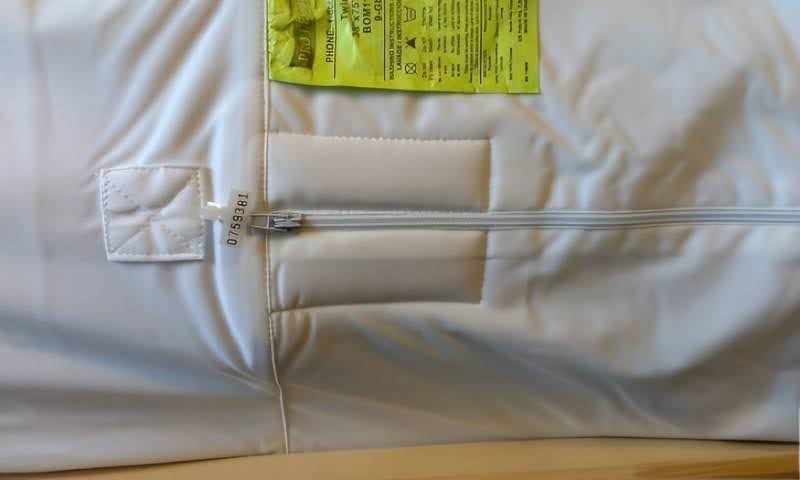 Seating: Check padded benches, fabric chairs, or couches. Bed bugs are especially common in high-turnover properties like those in La Jolla, where hotel occupancy stays high year-round.
2. Keep Luggage Away From Beds and Fabric Surfaces
Many travelers place bags directly on the bed or carpet. That gives insects a simple path into seams, pockets, or folded clothing without being noticed. Using a luggage rack keeps bags away from common hiding spots. If there is no rack, place bags on the bathroom tile instead of beside the bed or soft furniture. Hard-sided suitcases also reduce hiding places compared to soft fabric luggage. Exposed zippers, cloth handles, and outer pockets create more spaces where insects stay out of sight during travel. Vacation rentals in Coronado, for example, cycle through guests quickly, providing more opportunity for bed bugs to get left behind looking for a new meal.
3. Separate Dirty Laundry During the Trip
Dirty clothing creates another hidden risk during travel. After wearing clothes, avoid mixing them with clean items. Instead, place soiled clothing inside sealed plastic bags until you get home. This matters because bed bugs are attracted to human scent, which is strongest on clothes that have been worn. Short-term rentals in Pacific Beach and Mission Beach often turn over within 24 hours, leaving less time for thorough cleaning between guests.
Travel Mistakes That Raise Bed Bug Risk
Most travel-related bed bug problems begin with ordinary choices: placing luggage on the bed, leaving bags open overnight, or ignoring small warning signs because the room looks clean. Those choices do not guarantee a problem, but they can raise the chance of bringing insects home unnoticed.
Leaving Bags Open, Leaving Clothes Out
Open luggage gives insects easy access overnight. When suitcases stay unzipped, insects can crawl inside without being noticed. During longer trips, some travelers leave belongings spread across the room. This is a clear invitation to bed bugs.
Ignoring Early Warning Signs
Many people think a clean-looking room means there is no concern. In reality, bed bugs are difficult to spot because they stay out of sight during the day. Even experienced hotel management staff may miss early warning signs tucked behind furniture or mattress folds. Small stains near pillows or dark marks near mattress edges should not be ignored.
Storing Personal Items on Shared Furniture
Shared seating areas create another overlooked risk during travel. People often place jackets, purses, or bags on airport lounge chairs, lobby couches, or shared upholstered furniture while waiting for transportation. Bed bugs move more easily between soft surfaces than most travelers realize. Fabric seating with heavy turnover sometimes becomes an infested area when exposure goes unnoticed for long periods. When possible, keep personal items on your lap, on a hard surface, or zipped inside your luggage instead of leaving them on shared upholstered furniture.
What to Do When You Get Home From a Trip
The first few hours after you return home matter just as much as the trip itself. A careful routine stops bed bugs before they move into bedrooms, closets, or nearby furniture. Most pest management professionals suggest dealing with luggage and laundry before relaxing after a trip. Taking a few careful steps after travel can make bed bug control much easier if exposure happened during the trip.
Unpack Away From Bedrooms
Do not bring travel items straight into sleeping areas. Instead of opening luggage beside the bed, do it in a garage, laundry room, mudroom, or another hard-surface area. Keep the suitcase away from beds, couches, and other soft surfaces. As you unpack, inspect folds, pockets, and seams carefully. Shake out shoes and check corners where insects may stay tucked away after travel.
Wash and Dry Clothing Immediately
Washing travel clothing in hot water and drying on the hottest dryer setting immediately after returning from a trip kills bed bugs on those items before they have a chance to move into your home. Follow fabric care instructions, but when heat is an option, it remains one of the most reliable steps after travel. Then dry everything for at least 30 minutes using elevated dryer temperatures. This helps kill insects and eggs that may have traveled home inside your belongings. Wash all travel clothes after the trip, even clothes you did not wear.
Inspect Suitcases Before Storage
Before putting luggage away, inspect the entire suitcase under bright lighting. Check seams, wheels, handles, pockets, and stitched edges with a flashlight. Look for eggs the size of a grain of sand, stains, shed skin, or movement near folded material. If anything looks suspicious, put the suitcase in a tightly sealed plastic garbage bag until it can be inspected or steam-treated by a pest control professional.
Early Signs Bed Bugs May Have Come Home With You
Most people do not see bed bugs right away. Instead, they notice small clues a few days after getting home. Finding those warning signs early can help stop a larger problem. For renters and homeowners across San Diego County, early checks matter even more in apartments, condos, and shared housing. Bed bugs hide easily in small spaces and can spread between units long before visible signs appear, making early detection especially important in multi-unit buildings. In Encinitas, where the adjoining apartment or townhouse may double as a vacation rental, early detection matters more.
Unexplained Bites After Sleeping
Bed bug bites appear as red, raised, itchy welts that can take up to 14 days to develop, which is why many people don’t connect the bites to a recent trip right away. Reactions vary from person to person, with some noticing welts within hours and others seeing no visible response at all. Bites alone do not confirm bed bugs. Still, repeated itching after travel should not be ignored, especially when mosquitoes or other insects seem unlikely.
Small Marks Near Bedding or Furniture
Tiny reddish or black spots near mattress seams, trim, or furniture joints may be droppings left behind by bed bugs. You may also notice small blood stains on sheets or pillowcases. Many homeowners mistake these marks for dirt or fabric stains. Rub them with a damp cloth. If it’s the remains of a blood meal, you’ll see red. Since bed bugs stay out of sight during the day, these clues often appear before people see live insects.
Activity Around Beds and Furniture
Bed bugs stay close to sleeping and lounging areas because they feed at night. Common hiding spots include beds, couches, and often-used lounge chairs. In multi-dwelling buildings, bed bugs may also move through wall openings or utility spaces. If you notice several warning signs after a trip, schedule an inspection early.
When to Schedule a Bed Bug Inspection
If you recently traveled and notice repeated bites, dark marks near bedding, shed skin, or possible live insects, schedule a bed bug inspection as soon as possible. Schedule a bed bug inspection immediately. Small problems are usually easier to control than larger infestations. Bed bugs are a bigger concern in vacation areas across San Diego County, especially in Carlsbad, where family-oriented hotels stay booked most of the year, making it one of the higher-risk areas in the county for post-travel exposure. Hotels, motels, and apartments create more chances for these pests to move from place to place. At Thrasher Pest Control, licensed technicians inspect mattress seams, bed frames, furniture, and nearby rooms to look for signs of bed bug activity. After the inspection, the technician explains what they found and what steps can help stop the problem from growing. If treatment is needed, the service may include targeted treatments, follow-up visits, mattress encasements, and preparation guidance to support long-term bed bug control.
FAQs
How do I protect myself from bed bugs when traveling?
Check sleeping areas before unpacking and keep luggage off the bed and floor whenever possible. After returning home, wash and dry travel clothing right away to lower the chance of bringing insects indoors.
How likely are bed bugs to travel with you?
Bed bugs move easily through luggage, clothing, backpacks, and personal belongings. Hotels, vacation rentals, airports, and cruise ships all give insects opportunities to move between locations unnoticed.
Can I bring bed bugs home even if the hotel looked clean?
Yes. Bed bugs often stay hidden inside seams, furniture joints, and small cracks during the day. A clean-looking hotel room can still have bed bug activity.