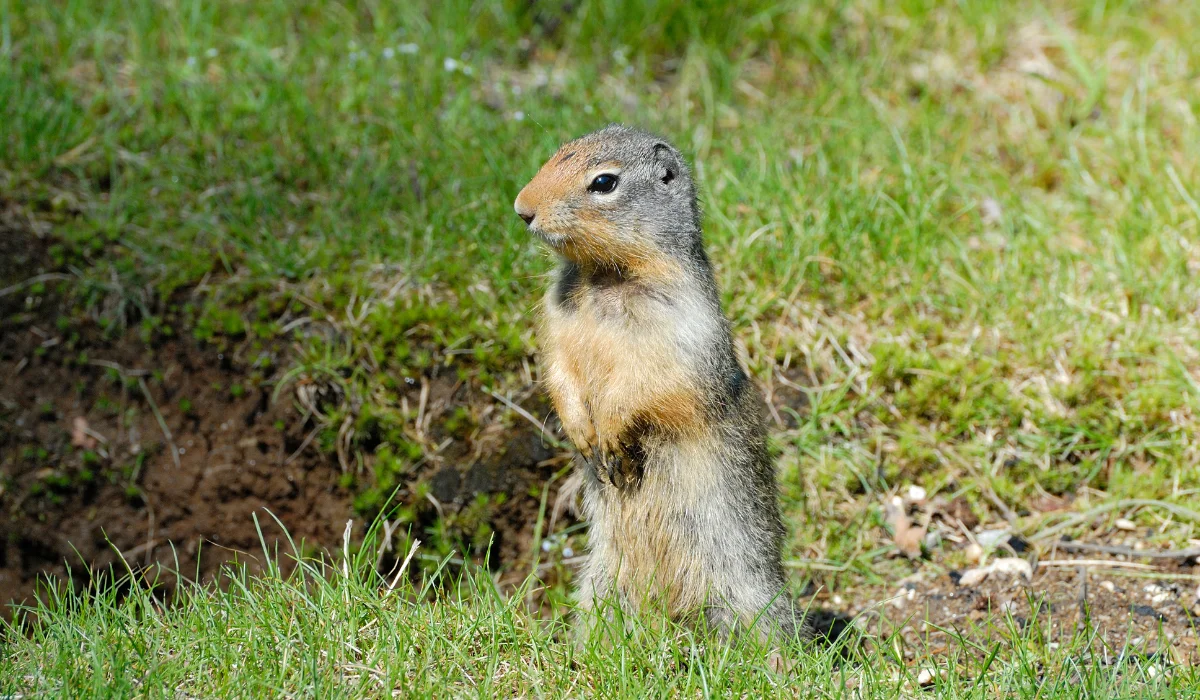
Gopher damage can make a San Diego lawn uneven, messy, and harder to maintain. Fresh dirt mounds, soft spots under the turf, damaged roots, and broken irrigation lines are common signs that gophers are active underground.
If you are dealing with gopher damage in San Diego lawn areas, the first step is to confirm that the mounds are fresh and the activity is still active. Flattening dirt piles may make the yard look better for a day, but it does not remove the tunnel system or stop new damage from appearing.
Key Takeaways
- Fresh crescent-shaped mounds often point to active gophers.
- Gophers can damage turf, roots, sprinkler lines, and slopes.
- Surface cleanup does not remove the burrow system.
- Backyard bait use can create safety risks.
- Professional control targets active tunnels and recurring damage.
What Gopher Damage Looks Like In A Lawn
Most homeowners notice the mound before they ever see the gopher. Gophers spend most of their time underground, so lawn damage usually shows up as surface disruption, plant decline, or irrigation trouble.
Look for these signs:
- Fresh loose dirt mounds on the lawn
- Crescent or fan-shaped mounds with an off-center plug
- Soft or uneven turf
- Wilting grass near active tunnels
- Chewed sprinkler lines or unexplained wet spots
- Damage that keeps moving across the yard
- New mounds after you flatten old ones
UC IPM notes that fresh mounds are a sign of active gophers and that a single gopher can create several mounds in a day. That is why new dirt piles should be taken seriously, especially if they appear near healthy turf, garden beds, or irrigation.
Why San Diego Lawns Attract Gophers
San Diego lawns and landscaped yards can give gophers loose soil, moisture, roots, and protected places to tunnel. Irrigated turf and garden areas are especially attractive because the soil is easier to dig and plant roots are available as food.
Gophers may move into lawns near:
- Sprinkler systems
- Garden beds
- Fruit trees
- Sloped turf
- Recently planted areas
- Soft soil near fences or hardscape
- Lawns bordered by open space or canyons
Once a gopher establishes a burrow system, the damage can keep spreading until the active tunnels are addressed.
Why Flattening Mounds Does Not Fix The Problem
Flattening mounds only removes the visible dirt. It does not remove the gopher, close the full tunnel system, or protect the lawn from new activity.
If the gopher is still active, new mounds may appear within hours or days. That is why we focus on identifying the active tunnel system instead of only treating the surface. The pattern of fresh mounds helps show where the gopher is moving and where control efforts should be focused.
Our gopher control service in San Diego is designed to inspect the lawn, locate active tunnels and mounds, and place control devices directly in active areas.
Gopher Damage Can Affect More Than Grass
A torn-up lawn is frustrating, but gopher damage can also affect the parts of your yard that are harder to see. Their tunneling can disturb roots, irrigation lines, and soil stability.
UC ANR’s urban landscape guidance notes that pocket gophers can damage turf, girdle trees, chew irrigation lines, create tripping hazards, and contribute to erosion concerns on slopes. For San Diego properties with sloped yards, retaining areas, or irrigated landscaping, that damage can become more than a cosmetic issue.
Pay close attention when gopher mounds appear near:
- Sprinkler heads or drip lines
- Young trees or shrubs
- Vegetable beds
- Slope edges
- Walkways and play areas
- Fresh sod or new landscaping
Early control can help reduce repeated lawn repair and irrigation problems.
What Not To Do When You Find Gopher Damage
Some quick fixes can make the problem worse or create safety concerns. Lawn damage can be frustrating, but gopher control should be handled carefully, especially when children, pets, and wildlife use the yard.
Avoid these mistakes:
- Do not pour household chemicals into tunnels.
- Do not place bait or products above ground.
- Do not flood tunnels near slopes, foundations, or hardscape.
- Do not assume repellents will solve active tunnel damage.
- Do not mow over fresh mounds without checking for uneven ground.
- Do not ignore damage near irrigation lines.
UC IPM cautions that toxic baits can pose threats to wildlife, pets, and children, especially in backyard situations. If you are not sure what is safe for your property, schedule a professional inspection.
How Professional Gopher Control Helps
Professional gopher control starts with finding the active areas. We look at mound shape, soil freshness, tunnel direction, lawn conditions, irrigation concerns, and the size of the affected area.
From there, we focus on the active tunnel system. Our service may include targeted control devices, tunnel monitoring, and follow-up adjustments based on the level of activity. The goal is to address the source of the lawn damage, not just clean up the surface.
We also help homeowners understand what may be making the lawn vulnerable, such as soft irrigated soil, nearby garden beds, or recurring activity from surrounding areas.
How To Help Your Lawn Recover After Gopher Activity
After active gopher control, the lawn may need time and repair work. Do not repair every mound before activity is addressed, or you may end up fixing the same areas repeatedly.
Once control is underway, you can help the lawn recover by:
- Leveling collapsed or raised areas carefully
- Repairing damaged sprinkler lines
- Replacing dead patches of turf
- Checking for soft spots before mowing
- Monitoring for new mounds after irrigation
- Protecting new plantings with underground barriers where practical
If new mounds appear after repairs, the activity may still be ongoing or a new gopher may have moved into the area.
When To Schedule Gopher Control In San Diego
Schedule gopher control when new mounds keep appearing, the lawn feels uneven, irrigation lines are damaged, or activity is spreading toward trees, garden beds, walkways, or slopes.
Professional help makes sense when:
- The damage keeps returning
- The lawn has multiple fresh mounds
- You have pets or children using the yard
- Gophers are damaging irrigation
- The yard has slopes or erosion concerns
- DIY methods have not stopped the activity
We serve San Diego homeowners with local gopher control that focuses on active tunnels, clear communication, and follow-up when the property needs it.
Schedule Gopher Control In San Diego
If gophers are damaging your lawn, we can inspect the yard, identify active tunnel areas, and recommend the right control plan for your property.
Contact us to schedule gopher control in San Diego.
Frequently Asked Questions
What Does Gopher Damage Look Like In A San Diego Lawn?
Gopher damage often appears as fresh crescent-shaped mounds, uneven turf, soft spots, wilting grass, or damage near irrigation lines. New mounds are the clearest sign of active tunneling.
Why Do Gopher Mounds Keep Coming Back?
Mounds keep returning because the gopher is still active underground. Flattening the dirt does not remove the burrow system or stop the gopher from pushing new soil to the surface.
Can Gophers Damage Sprinkler Lines?
Yes. Gophers can chew irrigation lines and sprinkler systems while tunneling. If you see wet spots, low water pressure, or plant decline near mounds, the irrigation system may need to be checked.
Are Gophers Active Year-Round In San Diego?
Yes. Gophers can stay active year-round in Southern California yards, especially where lawns and gardens provide soft soil, moisture, and plant roots.
Should I Use Poison Bait For Lawn Gophers?
We do not recommend casual backyard bait use. Toxic baits can create risks for pets, children, and wildlife. A professional inspection gives you a safer, more targeted plan for active gopher damage.