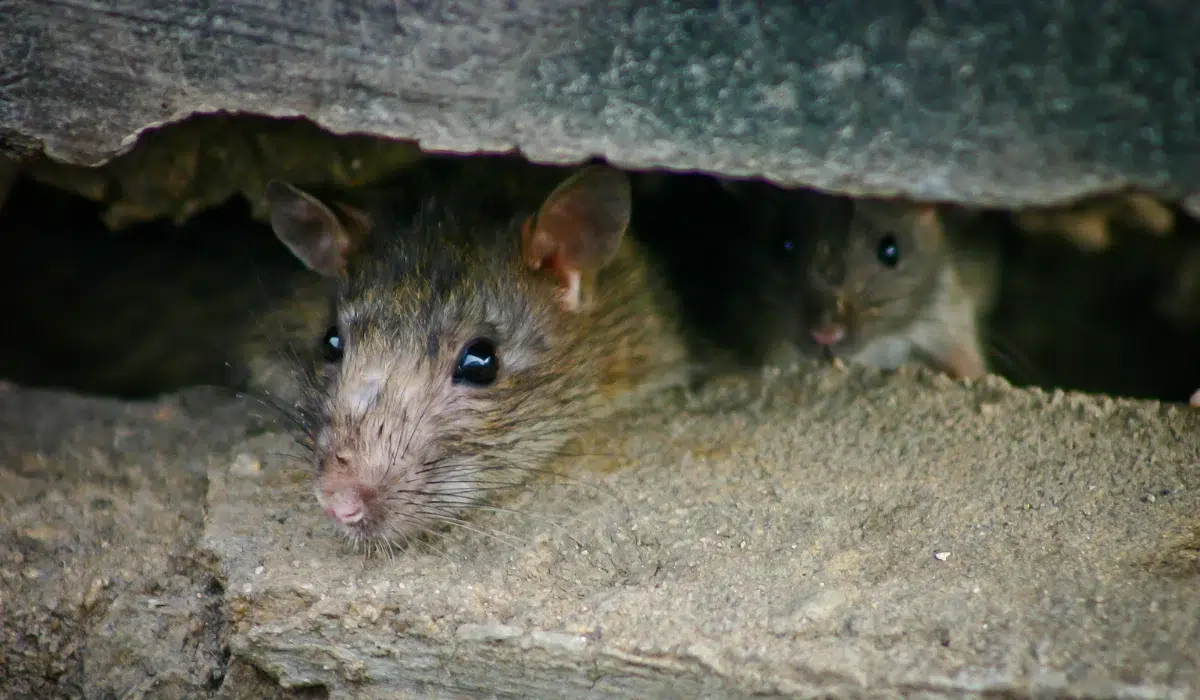
What to Do If You Have Rats in a Crawl Space in Escondido

rats in crawl space

Hearing scratching beneath your floors or finding droppings near crawl space access points is a sign of rat (or mouse) activity. Learn what attracts rodents to crawl spaces, the risks they create beneath homes, and when it makes sense to schedule a professional inspection.

Key Takeaways About Rats in Your Crawl Space

  • Rats nesting in crawl spaces may cause property damage and pose health concerns for Escondido homeowners.
  • Signs of a rat problem in your crawl space may include droppings, gnaw marks, and grease marks along travel routes into and out of the crawl space.
  • Sealing entry points is the best way to rodent-proof your crawl space.
  • A professional inspection will identify the rodent species you’re dealing with and guide the right approach for your home.

5 Signs There are Rats in Your Crawlspace 

In an Escondido crawl space or subarea, knowing what to look for and where to look can help you act before the problem grows.

  1. Do you see nesting material? From the crawlspace entry, shine a light around the area. Rats line their nests with soft materials such as insulation, shredded paper and cardboard, dried leaves, and even dryer lint. Small piles of debris that might indicate a rat nest.
  2. If you shine a flashlight along the pipes or foundation, do you see what looks like large black grains of rice? This might be rat feces.
  3. Do you smell a musty or unpleasant odor? The scent of ammonia is often associated with rat urine. 
  4. At night, do you hear scratching or gnawing that seems to be coming from under the house? Rats are more active at night, and you might hear them moving or chewing.
  5. Have you seen a rat? If you see a rat in your crawlspace or anywhere inside your house, it’s not visiting –it’s living in your house, and you need to take care of it.

How to Tell Rat Species Apart in Your Crawl Space

Rats that nest in crawl spaces under your house may also build nests in attics and wall voids. Roof rats favor elevated spots such as attic spaces, ceiling and wall voids, and dense vegetation, while Norway rats burrow along foundations and tend to stay at or below ground level. That difference helps explain why activity in a crawl space does not always stay there. 

Where Rat Activity Shows Up Around Crawl Spaces

Rats do not limit nests to one area. Activity in one zone often means rats have access to others. Nests can be built within insulation or tucked into hard-to-see spots along the perimeter of a crawl space. 

Pipes and vent lines provide rat highways, and you may see droppings on or below pipes. Gaps around pipes and wiring also provide access into the wall voids behind ovens and ranges –a favorite warm spot for a nest.

Outside, rats will nest in trees (especially palm trees), dense shrubbery (especially juniper), and garden sheds. Outdoor nests near the home often serve as a starting point before rats move into crawl spaces and attic spaces for shelter.

Identifying Different Rat Species

Rodents that inhabit crawl spaces may also colonize attics and wall cavities. Roof rats generally prefer high-altitude locations like attics, ceiling voids, and thick greenery, whereas Norway rats typically burrow near foundations at or below the ground. This behavioral variation explains why an infestation originating in a crawl space can easily spread to other parts of the structure.

Common Areas for Rat Activity

Rats frequently maintain multiple nesting sites; activity in one area suggests they have gained access to others. Nests are often concealed within insulation or hidden along the perimeter of the subarea.

Vent lines and plumbing serve as transit routes, often marked by droppings. Openings around these utilities can lead into wall voids behind appliances, providing warm spots for nesting.

Externally, rats may utilize garden sheds, dense shrubs like juniper, or trees such as palms for nesting. These outdoor sites often serve as precursors to rodents entering crawl spaces and attics for better shelter.

External Access Points to Crawl Spaces


Rats that nest in crawl spaces need a way inside. Openings around the foundation, vents, pipes, and utility gaps provide entry. Most crawl spaces have an access door. 

This door not only allows human entry, but rodents will also often chew through the edge of the door or framing to gain access to. Once inside, they may build nests using available insulation, cardboard, or dried leaves and grasses

Because a single entry point at crawl space level can lead to nests throughout the structure, checking the exterior of your Escondido home for gaps is a practical first step toward understanding where activity may be forming.

Why Rat Problems Develop in Crawl Spaces

Crawl spaces under Escondido homes offer rats exactly what they need: dark, sheltered cavities with access to warmth, moisture, and nearby food. 

Outdoor Nesting Areas That Lead Rats to Your Crawl Space

Roof rats climb and nest above ground in trees, while Norway rats burrow near foundations or under thick bushes and can travel 100 to 500 feet from their nest to forage. Both behaviors put your crawl space within easy reach of outdoor nesting sites.

 Food and Shelter That Attract Rats to Crawl Spaces

Crawl spaces give rats exactly what they look for: shelter, warmth, and easy access to food and water. Preventing rodent problems starts with removing the things that attract them, including accessible food and standing moisture. Odors from a dead rodent, dead insects, or a nearby nest can also draw additional rats toward the same area. 

Rats are most active at dusk and travel at night to reach food and water sources. Any accessible food or standing moisture beneath your home can sustain ongoing activity.

How Rats Move Through Crawl Spaces

Rats follow consistent travel routes along walls, foundations, pipes, and electrical conduits. You may notice grease marks, which are dark oil stains left where rats rub against the same surfaces night after night. Droppings, pilfered food, and gnaw marks along these paths also point to established movement patterns beneath your home.

Trails and Entry Points Rats Use in Crawl Spaces

Structural gaps and openings around the foundation give rats direct entry into crawl spaces. Sealing entry points and fixing structural problems that allow access are key steps in reducing rat activity. Elevated humidity in crawl spaces can also attract and sustain pests over time.

Removing harborages such as rodent nests near your home and sealing entry points along the foundation help cut off the routes rats rely on to reach your crawl space.

Risks of Having Rats in Your Crawl Space

Rats in a crawl space are more than a nuisance. When Norway rats, roof rats, or house mice settle beneath your home, they can jeopardize public health and cause property damage. These pests pose documented health and property risks once they infest a home. Understanding what is at stake helps you decide how quickly to act.

Health Risks Linked to Rats in Crawl Spaces

Rats and mice that move into crawl spaces can jeopardize the health of everyone living above them. Because crawl spaces connect to your living areas through gaps in flooring, ductwork, and pipes, the pests that settle there may spread contaminants upward over time.

Rodent borne diseases in San Diego include plague, salmonella, tape work, and leptospirosis.

Keeping these pests out of your crawl space is one of the most important steps you can take to protect your household.

Property Damage From Rats in Your Crawl Space

Rats are known to cause property damage when they infest a home. Crawl spaces give them direct access to floor joists, subflooring, pipes, insulation, and wiring. Rats can chew through soft concrete, aluminum, wallboards, and CPVC pipes.

Rats love to crawl through and nest in insulation and soil, and destroy it in the process. Electrical wiring is also susceptible to rat damage. It has been estimated that rodents cause up to 20 percent of undetermined fires in the United States each year.

How Nearby Food Sources Increase Rat Activity in Crawl Spaces

Crawl spaces sit directly below kitchens, pantries, and dining areas. A crawl space colony can position rats close to areas where you store and prepare food. Attics, garages, and basements may also see activity as pests move between sheltered spaces.

When to Take a Closer Look at Rat Activity in Your Crawl Space

Any sign of rat presence in your crawl space deserves attention.If you notice droppings, gnaw marks, or unusual sounds beneath your floors, a closer look at your crawl space is worthwhile. Early awareness gives you more options for addressing the situation before conditions compound.

Professional Pest Control for Rats in Your Crawl Space

If you suspect a rat infestation in your Escondido home’s crawl space, a structured approach to prevention, inspection, and professional treatment can help you address the issue. Crawl spaces offer rats sheltered access beneath your home, so understanding how to reduce attractants, identify activity, and work with a qualified team matters.

How to Reduce Attractants for Rats in Your Crawl Space

Keeping rats out of your crawl space starts with making the outside area less inviting. Removing easy sources of food like fallen fruit, stripping citrus trees once fruit is ripe, limiting bird feeders, and not leaving pet food out at night all make your home and yard less attractive to rats.

Why Crawl Space Rat Control Starts With an Inspection

You may require an inspection of your home for rodent activity, especially if your home has a crawl space. Performing regular inspections of your structures, including the crawl space and attic, is a key part of staying ahead of a potential infestation.

An inspection that covers the crawl space, attic, foundation perimeter, and utility lines will identify where rats are entering. Sealing entry points with professional-grade rat-proofing materials is an essential step to eliminating the problem. 

What to Expect From a Crawl Space Rat Control Plan

A complete rat control plan for your Escondido crawl space typically combines inspection, trapping, sealing entry points, clean-out, and a plan to prevent future infestations. 

Thrasher Pest Control is accredited by QualityPro and offers Public Health-certified rodent service. They are the only pest control company in Escondido with this level of training and credentialing. 

Their team takes time with each home rather than rushing through a visit. Regular inspections of your crawl space and attic can help you stay aware of any returning rodent activity before it takes hold again.

Dealing With Rats in Your Crawl Space

Rats in an Escondido crawl space can create ongoing problems if left unchecked, from gnawed materials to unsanitary conditions beneath your home. Early awareness of activity, keeping entry points sealed, and maintaining good sanitation around your property all help reduce the chance of a sustained presence. 

If you notice signs of rodent activity, a professional assessment can help you understand the scope and next steps. Reach out to Thrasher Pest Control to request a quote and get your crawl space evaluated by a knowledgeable team.

Frequently Asked Questions About Rats in Crawl Spaces

How do I know rats are in my crawl space?

Look for common indicators such as droppings, gnaw marks, and sounds like scratching or scurrying beneath the floor, especially at night. Unusual odors from below the home can also point to rodent activity in that area.

What attracts rats to a crawl space?

Crawl spaces can offer shelter, warmth, and moisture, all of which rodents seek out. Gaps around vents, pipes, or foundation edges may provide entry. Keeping the perimeter sealed and reducing nearby sources of food can make the space less inviting.

Can I handle a crawl space rat problem on my own?

Some homeowners start with traps and sanitation improvements. However, for persistent infestations, a rodent control expert can help ensure the problem is addressed at every access point, including entry points that are hard to spot on your own.

How can I prevent rats from returning to the crawl space?

Keeping screens over crawl space vents, using weather stripping, and sealing gaps around doors and utility penetrations all help make the area harder for rodents to access. Ongoing attention to sanitation and structural upkeep around the foundation supports long-term prevention.

Contributor

Garrett Thrasher

Garrett Thrasher

Co-owner & General Manager, Thrasher Pest Control

Garrett Thrasher is the Co-owner and General Manager of Thrasher Pest Control, where he leads day-to-day operations for the company’s growing San Diego team. With decades of hands-on industry experience, he specializes in termite control, bed bug management, and solving complex pest problems with practical, long-term solutions.

Table of Contents

Pest-Free Starts With One Call

Privacy Policy

A helpful member of our team will follow up within 15 minutes during business hours to give you a free quote.

San Diego's Pest Control FAQs

Get a free inspection when you book a pest control service.

What pests are covered in your pest control services?

Thrasher Pest Control provides solutions for a wide range of common pests affecting San Diego’s homes and businesses. Services commonly address ants, cockroaches, spiders, rodents, termites, fleas, and other structural or seasonal pests common to San Diego properties. During an inspection, technicians identify the pest activity affecting the property and recommend the most appropriate treatment approach based on the infestation and conditions present.

Response times depend on scheduling availability and the type of service requested. In many cases, technicians are able to schedule service within a short timeframe after a request is received. During the initial contact, the team reviews the pest concern and schedules the earliest available appointment for inspection and treatment.

Preparation requirements vary depending on the type of pest and treatment being performed. For most general pest services, minimal preparation is needed beyond allowing technicians access to key areas of the home and exterior. For specialty services such as bed bug treatments or termite work, the team may provide specific preparation instructions before the scheduled appointment.

Most pest control services begin with a detailed inspection of the property to identify pest activity, entry points, and conditions that may attract pests. After the inspection, technicians apply targeted treatments to affected areas using methods appropriate for the pest involved. Preventive measures such as sealing entry points, removing attractants, and monitoring pest activity are then recommended to help reduce future infestations.

Thrasher Pest Control offers a limited warranty period after the initial treatment. If the target pest is found again in the previously treated area during the warranty period, technicians may return to re-treat the area according to the service agreement. Warranty eligibility depends on the service provided and the property conditions being maintained as recommended by the technician.