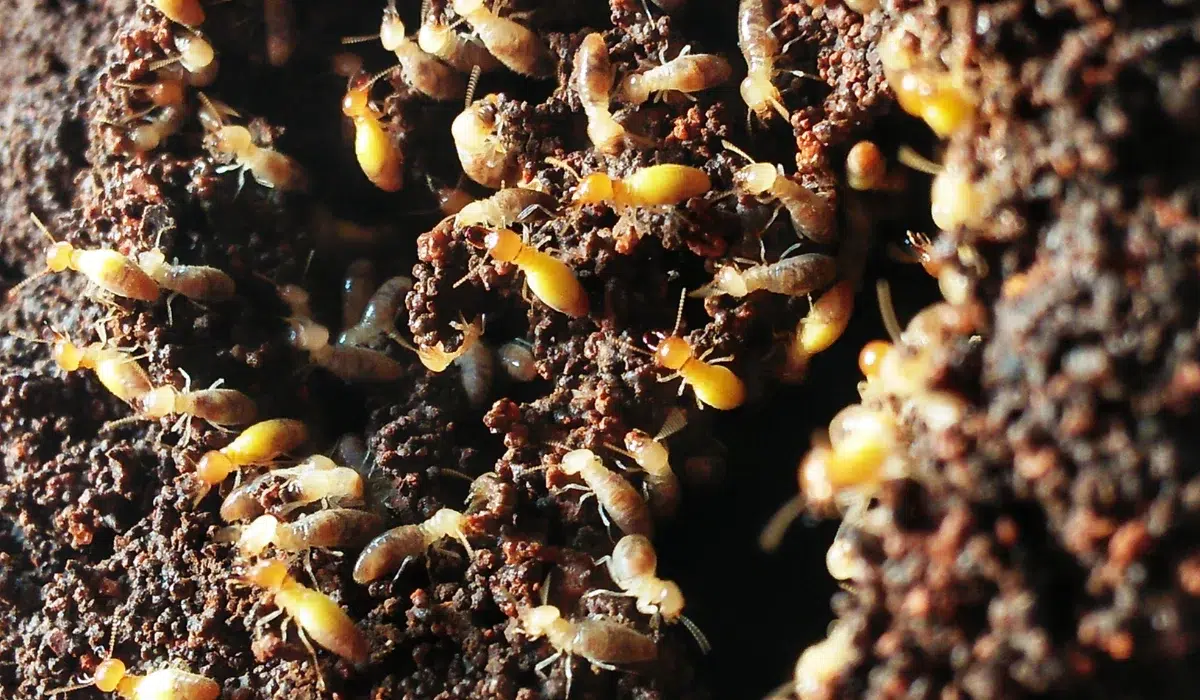
Seeing winged termites around your Oceanside home can be an early sign of nearby termite activity. Learn what swarming termites mean, when swarm season happens in Southern California, and when it’s time to schedule a professional inspection.
Key Takeaways About Termite Swarm Season in Oceanside, CA
- Different termite species swarm at different times in Oceanside, each with different nesting habits and moisture needs.
- Recognizing winged insects around your home may be the first visible sign of nearby termite activity.
- A professional inspection covers wood-destroying organisms such as drywood termites, subterranean termites, Formosan subterranean termites, dampwood termites, fungus and dry rot, wood-boring beetles, carpenter ants, and carpenter bees.
- Treatment options depend on the termite species and scope of the infestation, ranging from local and complete treatment to prevention.
How to Identify Termite Swarm Season in Oceanside, CA
When termites swarm around your Oceanside home, knowing what you are seeing can help you ask for the right help. Identifying termite swarm activity is the first step toward protecting your home from long-term damage.
How to Identify Drywood and Subterranean Termites
Oceanside homeowners may encounter both drywood termites and subterranean termites during swarming season. Knowing what to look for can help you spot activity early and protect your home before serious damage occurs.
Drywood termites live inside the wood they eat and need no soil contact. Watch for these signs:
- Tiny, pellet-shaped droppings (frass) near windowsills, door frames, or furniture.
- Discarded wings left in small piles after the warming season, often near windows or light fixtures.
- Wood that sounds hollow when tapped, blistered paint.
Subterranean termites travel up from the ground and leave behind distinct signs in the home:
- Mud tubes running along foundations, walls, or pipes (roughly the width of a pencil)
- Soft or bubbling paint near baseboards.
- Swarmers emerging from soil near the home, typically in spring or fall on a sunny day after rain.
Formosan subterranean termites travel from nests in the ground and create aerial colonies inside of structures. They are the most damaging species of termites in San Diego County. Signs of Formosan termites are similar to other termites, plus this very important sign:
- Large clouds of swarmers around lights at night mean these destructive termites are in your neighborhood or your home.

If you notice any of these signs, a professional inspection can confirm the species and recommend next steps.
How to Spot Termite Swarm Activity Inside Your Home
Swarming termites often gather near windows, doors, or light fixtures. Discarded wings on windowsills or floors are another common sign. Drywood termites typically nest above ground without soil contact, so signs may appear in attics, walls, or upper-story rooms instead of lower in the home.
Where Termite Swarm Activity Appears Around Homes
Outside the home, termite swarm activity may appear near porch lights, garage lighting, or exterior windows. Some people may notice winged termites erupting from the soil, or a cloud of termites fluttering across the yard. Seeing swarms in different areas indicates there may be multiple colonies on the property.
Californian homeowners often notice swarmers on a warm sunny day following rain. These winged insects are visible clue that termites are active nearby.
How Termites Access Homes During Swarm Season
Subterranean termites usually enter structures where soil meets wood or through cracks near the foundation. Drywood termites behave differently because they do not require soil contact. Swarmers can land on exposed wood and begin new colonies inside structural components.
A licensed Thrasher Pest Control inspector can identify termite activity, document damage, and recommend termite control options based on the species involved.
Why Termite Swarm Problems Develop
Termite swarm season in Oceanside follows a pattern that can catch homeowners off guard. Native subterranean termites begin swarming as early as January and taper off by early June. Drywood termites tend to swarm in summer or fall.
Whether swarmers are drawn to lights at night depends on the species involved. In California, western drywood termites swarm during daytime hours, while dampwood and Formosan subterranean termites are attracted to lights after dark, which is why the time and location of swarmer activity can help narrow down the species present.
Swarming season may occur during spring, summer, or fall, depending on the termite species and environmental conditions. In Southern California, mild weather allows termite activity to continue for extended periods throughout the year.
How Outdoor Areas Support Termite Swarm Season
Subterranean termites live below-ground, often getting established in a tree stump, root system from long-gone trees and shrubs, or firewood or other wood debris in contact with the soil. As the colony grows, it tunnels outward to reach structures. Subterranean colonies remain underground while workers travel through soil to find food sources.
Drywood termites establish colonies directly inside wooden structures without soil contact. Mated pairs enter through cracks, crevices, unpainted wood, eave vents, and gaps behind wood trim. During swarming season, it’s a short trip from a fence or woodpile in the yard to a house.
What Attracts Termites During Swarm Season
Wood remains the primary food source for termites. Subterranean termites excavate galleries as they feed, sometimes leaving only a thin outer layer behind. This hidden damage can remain unnoticed for long periods.
Subterranean termites depend on moisture from soil contact, while drywood termites obtain moisture from the wood they consume. Conditions such as damp wood, leaking areas, and untreated structural materials may increase the risk of termite activity.
How Termites Swarm Around Oceanside Homes
Termites spread by flying. Winged reproductives, called swarmers, leave an established colony to mate and start new ones nearby. For Oceanside homeowners, this is often the first visible sign of a termite problem.
Subterranean termite swarmers range from black to pale yellow-brown and measure roughly 1/4 to 1/2 inch long. Formosan subterranean termite swarmers are larger, about 1/2 inch long, with a yellowish-brown body and small hairs covering their transparent wings. Drywood termite swarmers have an orange-brown head and dark brown abdomen, and typically appear during daylight hours from late September through November.
Spotting swarmers near your home may indicate active colonies nearby, even when visible termite damage is limited.
How Mud Tubes Support Termites
Mud shelter tubes are the strongest indicators of subterranean termite activity. These shelter tubes connect soil to structural wood and help protect workers as they travel. They look like crooked mud straws attached to the foundation.
If you notice mud tubes along foundations, discarded wings, or hollow-sounding wood, a termite inspection can help determine the extent of the infestation and the right termite control approach.
Risks From Termite Swarm Activity
When termites swarm near your Oceanside home, visible swarmers are only part of the problem. The larger concern is the colony that may have been feeding inside walls, attics, or structural wood for years before becoming noticeable. It takes more than three years for a colony to become mature enough to produce swarmers.
How Termite Swarms Lead to Structural Damage
Termites feed on wood and other cellulose materials, potentially damaging framing, support beams, and other structural components. Drywood termites live deep inside wood and are rarely seen until they swarm, which means a colony can spend years feeding inside a structure before a homeowner notices any sign of activity.
An early sign of drywood termites is piles of very small pellets (about the size of coarsely ground coffee, but smoother). These pellets vary in color from speckled dark brown to off-white, depending on the color of the wood the termites have been eating.
Subterranean termites build mud tubes using soil, wood particles, and saliva. These shelter tubes protect workers traveling between the colony and the structure. Finding mud tubes near your home is a strong sign of active termite activity.
How Moisture and Belongings Are Affected by Termites
Termite damage is not limited to framing lumber. Termites may also spread through drywall, stored materials, and cellulose belongings throughout the home.
Many homeowners have been unhappily surprised to find that termites have chewed through family photos that were left in shoe boxes.
When to Schedule Termite Control During Swarm Season
A termite swarm inside or around the home is a strong indication that termite activity is nearby. Careful inspection is necessary to identify colonies and contain termite damage.
If you notice swarmers, mud tubes, or damaged wood around your home, scheduling termite control early can help protect your home from further structural damage.
Professional Pest Control for Termite Swarm Season
When termites swarm in Oceanside, homeowners may notice winged insects around windows, doors, or outdoor lighting. Others discover frass near walls or wood surfaces. While these signs are noticeable, they rarely show the full extent of the infestation.
Determining the extent of termite activity requires a thorough professional inspection, since colonies can be widely dispersed across walls, attics, and framing long before visible damage appears.
How to Reduce Conditions That Attract Termites
Homeowners can take steps to make structures less attractive to termites. Replacing damaged wood, painting raw wood, reducing moisture buildup, and correcting drainage issues may help lower the risk of infestation.
Homeowners should also remove dead trees and bushes, trim vegetation away from structures, move mulch 5 feet away from the foundation, and regularly monitor areas where moisture collects regularly.
Why Termite Control Starts With an Inspection
All termite inspections at Thrasher Pest Control are performed by a licensed inspector and followed by a written report. The inspection includes areas of concern and documents wood-destroying organisms found around the structure.
The final report outlines visible damage, treatment recommendations, repair guidance, and prevention steps to help protect your home from future termite activity.
What Happens During Professional Termite Treatment
Subterranean termites are commonly controlled through monitored bait stations, perimeter treatments, or both. The treatment plan depends on the termite species, infestation size, and surrounding conditions.
For widespread drywood termite infestations, fumigation is often recommended because colonies may exist throughout walls, attics, and framing. Localized treatment may apply when termite activity is limited to smaller sections of the structure.
What to Expect From a Termite Control Plan
The products used for termite control are restricted to licensed applicators under California regulations, making professional treatment the only practical option for most homeowners dealing with an active infestation.
When termite damage or dry rot is limited to a smaller area, local treatment may be an option. Your Thrasher inspector can explain the benefits and limitations of each treatment approach and recommend the right solution for your property.
Dealing with Termite Swarm Season in Oceanside
Termite swarm season in Oceanside is a reminder that termite activity can develop quietly inside homes for long periods before becoming visible. Drywood termites and subterranean termites both affect Southern California homes, though each behaves differently and requires a different termite control approach.
If you notice winged insects, mud tubes, termite pellets, or signs of termite damage around your property, a licensed inspection can help identify the problem early. Reach out to Thrasher Pest Control to schedule an inspection and help protect your home from further termite damage.
Frequently Asked Questions
What should I do if I see swarming termites near my home?
Swarming termites often indicate nearby termite activity. A professional inspection can help identify the species involved and determine whether termite damage or active colonies are present.
Can more than one termite type be present at the same time?
Yes. Homes in Oceanside and nearby San Diego areas may experience activity from drywood termites, subterranean termites, or dampwood termites at the same time.
Why can’t I treat termites on my own?
Many termite control materials are highly regulated and only available to licensed professionals. While homeowners can reduce moisture and replace damaged wood, active infestations typically require professional treatment.
What does a Thrasher termite inspection include?
Thrasher Pest Control inspections cover visible wood damage caused by any wood-destroying organism (termites, carpenter ants, wood-boring beetles, carpenter bees, and fungus). The written inspection report lists the organisms identified, location of damage, areas with conditions that contribute to infestation, and treatment recommendations.