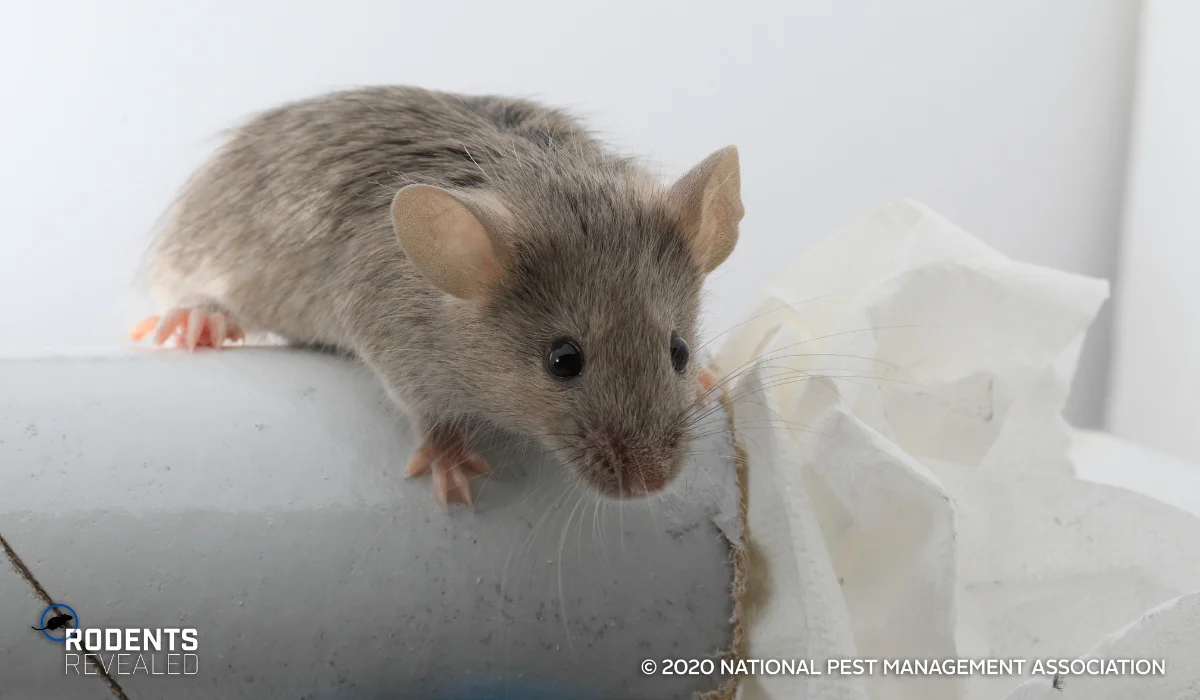
Rodents are a common pest problem in San Diego, and one of the most frequent reasons homeowners call for pest control services. Rats and mice look for warmth, water, and easy meals. Once inside, they can chew through wires, ruin stored items, and leave droppings behind.
Many homeowners, tenants, and commercial managers in the San Diego area first notice scratching sounds at night, droppings in garages, or torn bags in storage. These signs can point to a rodent infestation, especially when they keep showing up.
Professional rodent control usually follows a clear process: inspection, trapping, and exclusion work to close entry points. When done properly, it can address the current rodent problem and reduce the chance of rodents returning.
Key Takeaways
- Rodent control in San Diego starts with a full inspection, not guesswork.
- Pros look for droppings, nesting materials, and hidden entry points.
- Exclusion work is what makes a home more rodent-proof.
- Trapping needs checks, adjustments, and a clear timeline.
- Safe clean up helps reduce health risks and repeat activity.

How a San Diego Rodent Inspection Works
A good inspection shows where rodents are active and how they got in. It also helps the technician build a plan that fits your property.
Checking for Rodent Signs
The technician looks for droppings, rub marks, chew damage, and nesting materials. Common nest spots include basements, attics, crawl spaces, and garages. In a typical San Diego home, rodents may also hide behind appliances or inside wall voids.
The inspector also checks for food sources that attract rodents. That can include open trash, spilled bird seed, accessible pet food, or ripe oranges.
Finding Entry Points
Rodents can squeeze through small gaps. The technician checks the roofline, vents, pipes, doors, and foundation for entry points. Even a small crack can become a regular route.
This step matters because trapping alone does not prevent rodents from returning. If the entry points stay open, new rodents can move in.
Confirming the Rodent Type
In California, roof rats are common throughout San Diego County. Mice can show up anywhere. Some properties also deal with gophers outside, which is a different pest issue but still part of the overall pest pressure.
Correct ID helps the exterminator choose the right tools for rodent removal and prevent repeat activity.
Exclusion Explained: Sealing and Proofing Basics
Exclusion is how pros “close the door” on rodents. It is the step that helps make a structure rodent-proof.
Sealing Exterior Gaps
Technicians seal openings using materials that rodents cannot chew through. For example, stucco gaps are patched with stucco, not caulk. Vents may be covered with 1/4 hardware cloth or replaced, and irregular holes are filled with stainless steel wool.
This type of exclusion work helps block entry points more effectively, especially in older homes around San Diego.
Proofing High-Risk Areas
Some spots get hit more often, like garages, attics, and crawl spaces. These areas can have weak seals, worn weather stripping, or openings around utility lines.
A strong plan focuses on the places rodents use most, not just the easiest holes to find. That is what turns sealing into real rodent proofing.
Cutting Off Food Sources
Rodents stay where food is easy to reach. Sealed containers and clean storage help reduce rodent activity. Bring pet food indoors at night, clean up spills quickly, and store birdseed in airtight metal bins.
Outside, pick up fallen fruit and nuts. Strip citrus trees as soon as the fruit is ripe. Keep compost in secure containers.
Outdoor clutter can also support a rodent problem. Keep storage neat and move wood and debris away from the structure.
Trapping Explained: Setup, Checks, and Timelines
Trapping removes rodents that are already inside. It works best when it follows inspection and exclusion, not before.
Setting Traps and Bait Stations
A pro places traps where rodents travel, such as along walls and near nest areas. They use the correct-sized trap for the rodent being targeted. They may also use bait stations in controlled locations, based on the site and the risk level.
Placement is not random. Technicians place traps based on rodent signs, travel paths, and safety. That is the difference between a planned rodent control service and a quick DIY attempt.
Scheduling Checks and Adjustments
Trapping is a process, not a one-time set. The technician returns to check traps, remove rodents, and adjust placement. These checks help shorten the timeline and prevent rodents from moving to new areas.
Rodent control usually follows a set schedule of visits to check traps, remove rodents, and adjust placement as activity changes. Many professionals follow an IPM (Integrated Pest Management) approach that focuses on inspection, trapping, sanitation, and sealing entry points.
Handling Clean Up Safely
After technicians remove the rodents, clean up becomes important. Droppings and nesting areas can carry germs, so proper handling helps protect you from rodent-carried diseases. In some cases, diseases such as hantavirus can pose a risk.
A technician can point out what to clean, what to seal, and what to remove. Proper cleanup also helps reduce odors that can attract new rodents.
When to Bring in a Rodent Pro
Some cases are simple, but many are not. Knowing when to call helps you avoid a bigger issue.
You See One Rat Inside During the Day
When you see a rat inside your house during the day, you have a big problem. Rats are most active at night and avoid being seen. When a rat is comfortable enough to appear during the day, it’s very likely just one rat of many nesting nearby.
Activity Keeps Coming Back
If you keep seeing droppings after cleaning or hearing noises in the walls night after night, the problem is likely active. Repeated signs like these usually mean entry points are still open.
A rat exterminator can inspect the structure, identify entry points, and start the right rodent removal plan before the infestation grows.
DIY Has Not Solved It
A few traps may catch a rodent, but they do not solve the full rodent problem. Without exclusion, new rodents can replace the ones removed.
If you have tried DIY and the signs continue, it is time to contact a professional pest control company for inspection and proper exclusion work.
You See Heavy Signs of Infestation
Large amounts of droppings, shredded nesting materials, or a strong odor can indicate a larger issue. Commercial sites may also see repeated damage near storage and break areas.
In these cases, a full rat control plan with proper pest management steps is often faster and more effective.
Schedule Rodent Inspection in San Diego
If you suspect rodents, act early. At Thrasher Pest Control, we provide rodent control and rodent exclusion for homes and properties in the San Diego area. We also offer attic insulation removal and sanitation when insulation has been fouled by rodent droppings and nests.
Contact us today to schedule a rodent inspection in San Diego County and learn what steps may be needed to manage the problem. We will explain the plan, the timeline, and the next steps.
FAQs
What are the first signs of a rodent infestation?
Common signs include droppings, scratching sounds, chewed packaging, and nesting materials. Check basements, garages, attics, and storage spaces first.
Do I need exclusion if I am trapping?
Yes. Trapping removes rodents inside, but exclusion stops new ones from entering. Sealing entry points is key to long-term rodent proofing.
How long does rodent removal take?
It depends on the size of the infestation and the number of entry points. Many jobs require trapping, follow-up visits, and exclusion work to prevent return activity. Because rats are smart, let the pro know if you’ve set traps before. Unsuccessful trapping attempts can leave rats who are trap-shy. This information will help a pest control pro design a program to outsmart the rats.