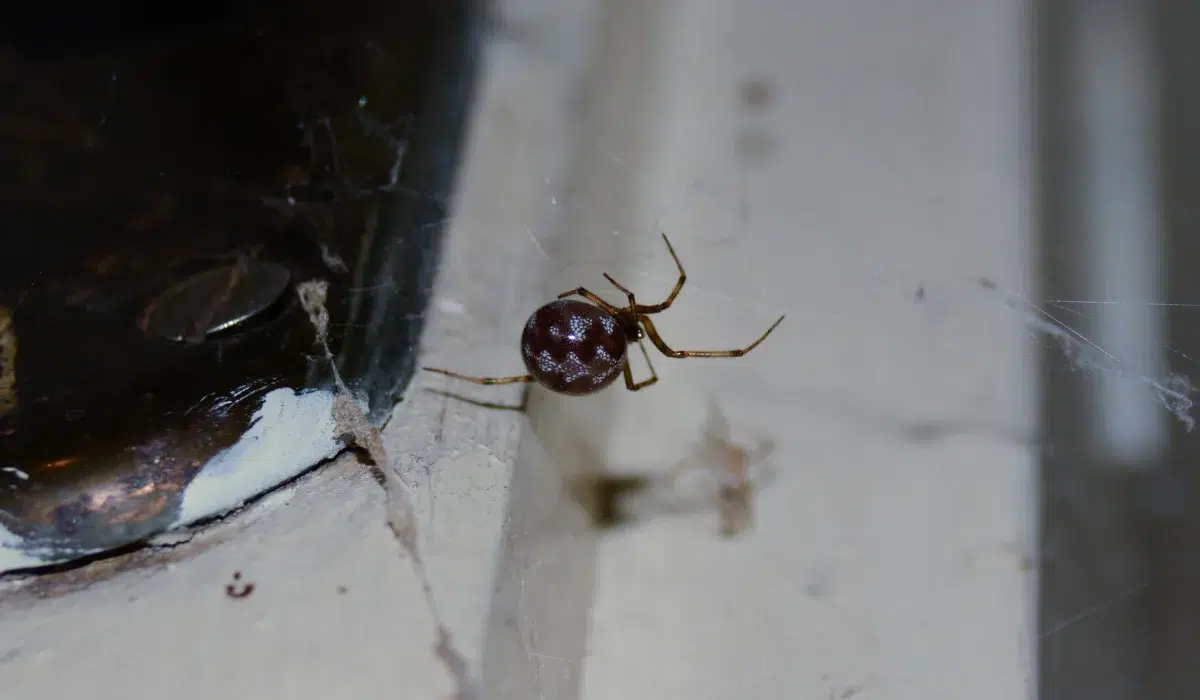
If you have spiders in your attic in Escondido, it often points to more than a random sighting. Attics are quiet, dark, and rarely used, which makes them ideal hiding places for many types of spiders. Homeowners in North County often notice spider webs or cobwebs in attics near vents, rafters, or stored items.
Seeing spiders in the attic does not always mean a serious infestation, but it can signal other pest activity and the need for pest and spider control. In Escondido, where pests stay active year-round, spiders settle in areas with stable conditions and steady food sources.
Understanding what attic spiders indicate helps you decide whether the issue is minor or worsening.
Key Takeaways
- Spiders in the attic often indicate the presence of other insects, such as flies, moths, silverfish, and ants.
- Common attic spiders in Escondido include black widow spiders, brown widow spiders, cellar spiders, yellow sac spiders, and house spiders.
- Professional pest control focuses on inspection, prevention, and long-term spider control.
What Spiders in the Attic Usually Mean
In Escondido, spiders in the attic usually reflect underlying conditions that support them. They tend to stay near consistent food sources rather than showing up randomly.
A Steady Food Supply is Present
Spiders follow food sources. What do you have stored in your attic? Paper goods and cardboard attract and harbor silverfish. Ants may pass through an attic on their way to their final destination –a kitchen or bathroom. Several moth species feed on stored clothing and provide a good meal for a spider. Flies often follow rodent activity.
When any of these pests are active, spiders are more likely to stay.
Because spiders rely on other insects for food, spider control must address the underlying problem of insects in the attic.
Venomous Spiders May Be Present
In Escondido homes, brown widows are one of the more common attic spiders. They prefer quiet areas and build messy webs near entry points or stored items. Brown widow spider bites are less of a concern than the bites of their cousins, the black widows.
Both spider species are present in San Diego County. Cellar spiders (sometimes called Daddy Long-Legs) are completely harmless to humans. Brown recluse spiders do not live in California, so that is one less spider to worry about. Nevertheless, treat with caution any spider you cannot identify.
Why Spiders May Be in an Escondido Attic
In addition to a steady food supply, an attic has other attractions for spiders.
Easy Access Through Entry Points
Small gaps along the roofline, soffit vents, and eaves serve as entry points for both spiders and their next meal. Cracks and openings let spiders and insects get inside easily.
Using caulk to seal these areas helps block access.
Many Hiding Places
Attics offer many places to hide. Dimly lit rafters, dark corners, loose storage, and framing create spaces where spiders can stay out of sight. Because there are so many places to hide, a lot of noticeable spider activity is an indication that something unusual is going on.
Low Activity and Stable Conditions
Attics are visited less often than basements or garages, which lets spiders go about their business uninterrupted.
In Escondido, the mild year-round climate helps maintain stable attic conditions, which support ongoing spider activity rather than short seasonal spikes.
How to Tell If It’s a Minor Issue
Spiders in the attic are not always a major concern. The difference between a minor issue and a growing infestation depends on activity and conditions.
Limited Spider Webs and Activity
A small number of spider webs or cobwebs in isolated areas often means a minor issue, with spiders entering but not yet fully establishing an infestation. Monitor changes over time.
No Signs of Other Pests
If you do not see flies, moths, silverfish, or other insects, spiders have less reason to stay and less ability to reproduce.
During a pest control inspection, technicians check for contributing factors. When other pests are not present, the issue is easier to manage.
No Visible Egg Sacs or Repeated Sightings
Egg sacs are a clear sign that a spider infestation is growing. If no egg sacs are visible and spider sightings are rare, the issue is likely limited.
Frequent sightings of any spider can suggest a larger problem. DIY methods and store-bought sprays may not resolve the underlying issues that are causing the infestation.
Schedule an Attic Spider Inspection
If you notice a lot of spiders in your attic, a detailed inspection is the next step. Professional pest control works better than guesswork when conditions are unclear.
An experienced exterminator looks beyond visible spiders by inspecting soffit areas, eaves, insulation, and structural crevices. The goal is to find entry points, hiding places, and food sources that support spider infestations.
At Thrasher Pest Control, technicians take their time during appointments. They inspect thoroughly, explain their findings, and recommend solutions such as sealing gaps or addressing conditions that attract pests.
To get rid of spiders and reduce future infestations, contact us to schedule your attic inspection.
FAQs
What types of spiders are common in Escondido attics?
Common types of spiders include brown widows, black widows, wolf spiders, cellar spiders, yellow sac spiders, and the common house spider. Black widows are the most concerning due to their venom. Each species behaves differently, which is why proper identification is part of effective spider control.
Can I use DIY methods to get rid of spiders in the attic?
DIY methods may reduce visible spiders, but they rarely address the root cause. Spiders hide in crevices and lay egg sacs in hard-to-reach areas. Without removing food sources and sealing entry points, infestations often return.
When should I call a pest control company for attic spiders?
You should contact a pest control company if you see frequent spider activity, egg sacs, or venomous spiders like black widows. An exterminator can inspect the attic, identify contributing factors, and provide a plan to reduce spider activity.