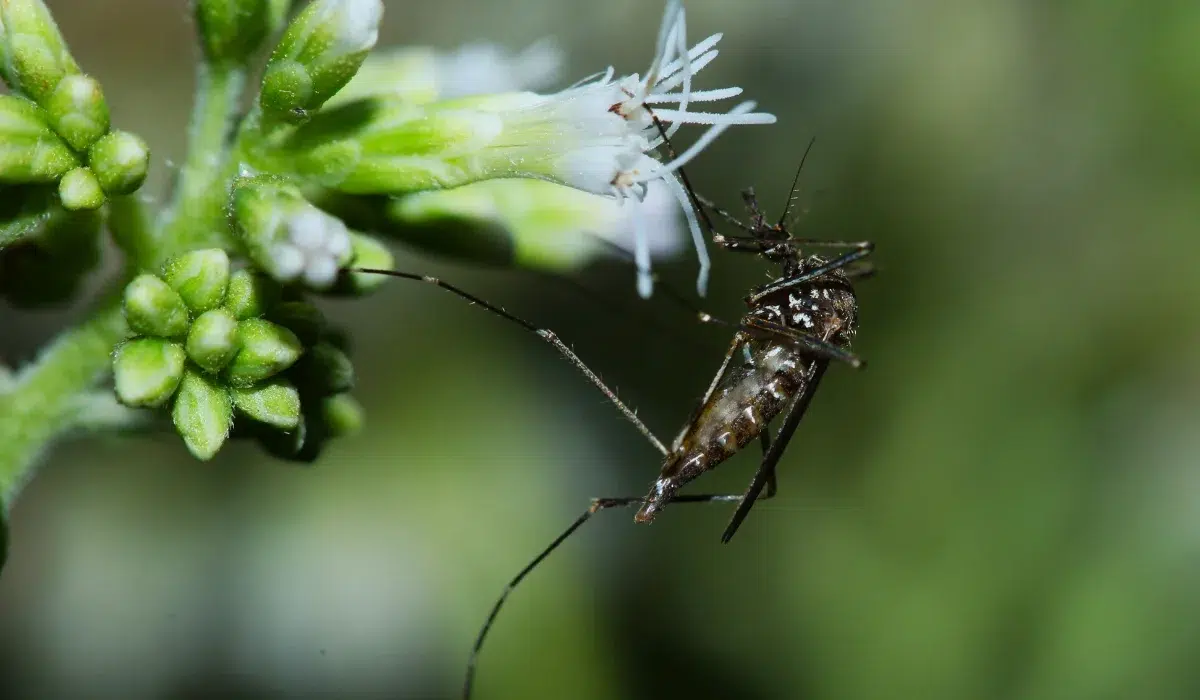
Mosquito activity in San Diego increases as temperatures warm and standing water becomes more available. Learn when mosquito season usually starts and ends in San Diego, what causes mosquito populations to rise, and how homeowners can help reduce mosquito breeding around the property.
Key Takeaways About Mosquito Season
- Mosquito activity rises and falls with warmer temperatures, rainfall, and available standing water.
- Standing water is the main driver behind mosquito breeding grounds around homes and neighborhoods.
- Professional mosquito control programs help reduce mosquito populations by disrupting the mosquito life cycle over time.
- Understanding when mosquitoes are most active can help homeowners prevent mosquitoes before populations build.
How to Identify Mosquito Season Activity
Understanding when mosquitoes become active around your home starts with recognizing how their life cycle depends on water and warm weather. Mosquitoes progress through several life stages that all rely on standing water. As temperatures rise in San Diego County, mosquito activity increases quickly.
How Different Mosquito Species Become Active
Culex species, often referred to as night-biting mosquitoes, exhibit significantly reduced activity in temperatures consistently below 50°F. At 60°F, they can progress from egg to adult in about 25 days, while at a warmer temperature of 89°F, this developmental cycle can be completed in just 2.5 days.
On the other hand, Aedes species, known as day-biting mosquitoes, require a minimum temperature of 59°F for reproduction. They thrive and are most productive when the temperatures range from 77°F to 86°F.
In Coastal San Diego County, including Oceanside and Carlsbad, mosquitoes remain active nearly year-round, with peak breeding occurring when temperatures exceed 75°F. However, in the inland areas that experience winter freezes, the months of December, January, and February are generally free of mosquitoes.
How to Spot Mosquito Activity Around Your Home
Mosquitoes are most noticeable during warm weather near shaded outdoor areas, patios, and landscaping where moisture remains present. You may also notice mosquitoes resting indoors near walls, laundry rooms, bathrooms, or dark corners after entering through open doors or damaged screens.
If you are getting bitten regularly near your home, there is often a nearby mosquito breeding source producing new adults on a repeating cycle.
Where Mosquito Breeding Grounds Develop
Mosquito breeding grounds commonly develop in clogged gutters, flower pot saucers, buckets, low spots in the yard, French drains, and neglected containers that collect water after rain or irrigation. Unmaintained water features, fountains, birdbaths, and pools are ideal breeding grounds.
Mosquitoes also rest in dense vegetation, tall grass, shaded porches, and covered outdoor areas during the day before becoming more active around dusk.
How Mosquitoes Enter Homes During Active Season
Mosquitoes follow air movement, body heat, human scent, and carbon dioxide toward homes. Torn screens, gaps around doors, and open garage areas provide easy access indoors.
Breeding sites located close to the home increase the number of mosquitoes gathering around entry points, especially during warm evenings.
Why Mosquito Problems Increase During Warm Months
Rainfall creates standing water across yards, gutters, and containers, and mosquito populations respond quickly. The California Department of Public Health has directly linked heavy rains to statewide increases in mosquito populations, raising the risk of mosquito-borne disease in the weeks that follow.
How Outdoor Areas Support Mosquito Breeding
Mosquitoes need water to complete the early stages of their life cycle. Eggs hatch into larvae once exposed to standing water, and development speeds up during warm temperatures.
Even small amounts of standing water in containers, drainage areas, or landscaping depressions can become mosquito breeding grounds during active months.
What Attracts Mosquitoes Around Homes
Warm weather, moisture, shade, and standing water all attract mosquitoes closer to homes. Overwatered landscaping, clogged drains, and uncovered containers often become mosquito magnets during peak season.
Mosquitoes also gather near people and pets because female mosquitoes require blood meals before laying eggs.
How Mosquitoes Move Around Neighborhoods
Mosquitoes spread outward from breeding areas once adult insects emerge. After rainfall, mosquito populations may increase quickly across neighborhoods as new adults begin searching for food sources.
Warm evenings and humid conditions often increase mosquito activity around patios, walkways, and outdoor gathering areas.
How Standing Water Supports Mosquito Life Cycles
Dumping standing water from containers, tarps, buckets, and low spots helps interrupt the mosquito life cycle before adults emerge. Covering or draining outdoor items that hold water also helps prevent mosquitoes from breeding around the home.
Mosquitoes are strong flyers, capable of traveling distances ranging from 150 yards to up to a mile. This ability makes it essential to eliminate standing water from as large an area as possible in and around your property.
When standing water can’t be drained, bacterial larvicides, available in liquid, dunk, or granules form, can be applied directly to the source. The San Diego County Department of Environmental Health recommends this approach as an option for homeowners when dumping water isn’t possible.
Risks From Mosquito Activity Around Homes
Mosquitoes are often more than a nuisance during the warmer months. As mosquito populations rise, homeowners may deal with increased outdoor discomfort and greater concerns about mosquito-borne diseases in the surrounding area.
Health Risks Linked to Mosquitoes
Only female mosquitoes bite people and animals. Some mosquito species are associated with mosquito-borne diseases monitored by public health agencies.
Whether mosquitoes pose a nuisance or a genuine health concern depends on local conditions —West Nile virus activity and locally acquired dengue cases have increased across Southern California in recent years, making awareness of local mosquito species more important than ever.
Infectious disease experts are also monitoring the invasive Aedes mosquitoes. These mosquitoes bite during the day and can spread Zika, dengue, yellow fever, and chikungunya viruses.
How Mosquitoes Affect Outdoor Spaces
Mosquitoes do not damage structures, but heavy mosquito populations can make patios, yards, pools, and outdoor dining spaces uncomfortable during the active season.
Repeated mosquito bites may discourage homeowners and guests from spending time outdoors during evenings when mosquito activity is highest and even during the day if Aedes mosquitoes are breeding nearby.
Outdoor Gathering Areas and Mosquito Activity
Outdoor cooking, dining, and entertaining areas often attract mosquitoes because people provide easy feeding opportunities. Mosquito repellents, screened enclosures, and reducing standing water nearby may help lower activity levels.
Removing mosquito breeding grounds close to patios and seating areas also helps reduce the number of insects gathering nearby.
When Mosquito Control Becomes More Important
If mosquitoes are consistently active around your property or family members are getting bitten frequently, it is time to look more closely at breeding conditions around the home.
Recurring mosquito activity often points to hidden standing water or nearby mosquito breeding areas supporting larger populations. After checking your yard, consider adjoining properties. If they have unmaintained water features or pools, your property will be impacted.
Professional Mosquito Control During Active Season
In many parts of San Diego County, mosquitoes breed year-round, with peak seasons depending on the weather. Warm weather means mosquitoes develop from egg to biting adult in as little as five days. Combining prevention steps with professional mosquito control provides more consistent reduction throughout the active season.
How to Reduce Mosquito Breeding Around Homes
Removing standing water remains the most often-given advice for mosquito prevention, but it has one major drawback: you need to locate ALL of the standing water within 150 yards or more of your home.
Compounding the problem, some mosquitoes only need a tablespoon to breed. Removing standing water is an important method of DIY mosquito control, but the pros have other means to meet the same goal of reducing mosquito breeding sites.
Why Mosquito Control Starts With Inspection
Inspections help identify hidden breeding areas around the property, analyze the level of mosquito activity, and lead to a comprehensive plan to address immediate and long-term mosquito reduction.
What to Expect During Professional Mosquito Treatment
Thrasher Pest Control uses the In2Care mosquito station system to disrupt mosquito breeding and reproduction across the property. Mosquitoes spread the treatment material themselves, from water source to water source, helping reduce breeding activity in hard-to-find areas.
For immediate relief, Thrasher also provides targeted treatments to mosquito resting areas around landscaping and shaded outdoor zones where mosquitoes gather during the day.
What to Expect From a Mosquito Control Plan
An effective mosquito control plan integrates regular inspections, reduction of breeding sources, ongoing monitoring, and targeted treatments throughout the mosquito season. Ongoing service helps reduce mosquito populations as weather conditions change through the warmer months.
Thrasher Pest Control offers both QualityPro Public Health and QualityPro GreenPro certified mosquito services, the only company in San Diego with this level of training and certification.
Dealing with Mosquito Season in San Diego
Mosquito season in San Diego typically becomes more active as temperatures warm and standing water increases around homes and neighborhoods. Warm weather, irrigation, rainfall, and shaded outdoor areas all contribute to rising mosquito populations throughout the season.
Reducing standing water, monitoring mosquito breeding grounds, and staying proactive with mosquito control can help limit mosquito activity around your property. If mosquito problems continue despite prevention efforts, Thrasher Pest Control can help evaluate your yard and recommend a targeted mosquito control plan.
Frequently Asked Questions
What causes mosquito season to start?
Mosquito season usually begins when warmer temperatures and standing water create suitable breeding conditions. Rainfall, irrigation, and humid weather often increase mosquito activity quickly.
When does mosquito activity usually slow down?
Mosquito activity often decreases once temperatures cool and standing water dries out. In some areas of San Diego, mosquito season never ends.
What can I do about mosquitoes coming from a neighbor’s yard?
If you notice a green or neglected pool next door, pest control companies cannot treat another person’s property without the owner’s permission. San Diego Vector Control can, and they ask residents to report neglected pools directly to them. It’s the fastest way to address a mosquito source outside your control.
How does the In2Care mosquito system work?
The In2Care system uses mosquitoes to spread treatment materials into breeding sites around the property. This helps disrupt mosquito reproduction and reduce mosquito populations over time. The product is not toxic to fish, wildlife, pollinators, or pets. It is targeted specifically to mosquitoes.
What else can homeowners do between mosquito treatments?
Trimming dense vegetation, repairing screens, and using mosquito repellents can all help between professional visits.