Key Takeaways
Scouting Report · San Diego, CA
House spiders in San Diego
Most spiders in San Diego homes pose little risk and even help control insects. A few warrant real caution.
1Venomous
Black widow
IDShiny black body with a red hourglass marking on the underside.
WhereQuiet, sheltered spots indoors and outdoors.
NoteA bite can cause pain and muscle cramps. Seek medical care if strong symptoms appear.
2Can bite
Brown widow
IDTan to dark brown, mottled abdomen, banded legs, and a bright orange hourglass underneath.
WhereSheltered outdoor spots around the home.
NoteShy and usually retreats. Its bite hurts but is far less serious than a black widow’s.
3Low concern
Yellow sac spider
IDPale spider that builds small white silk sacs in corners.
WhereCorners, behind shelves and pictures, and tight spaces.
NoteActive at night and quick to move out of sight when disturbed.
4Beneficial
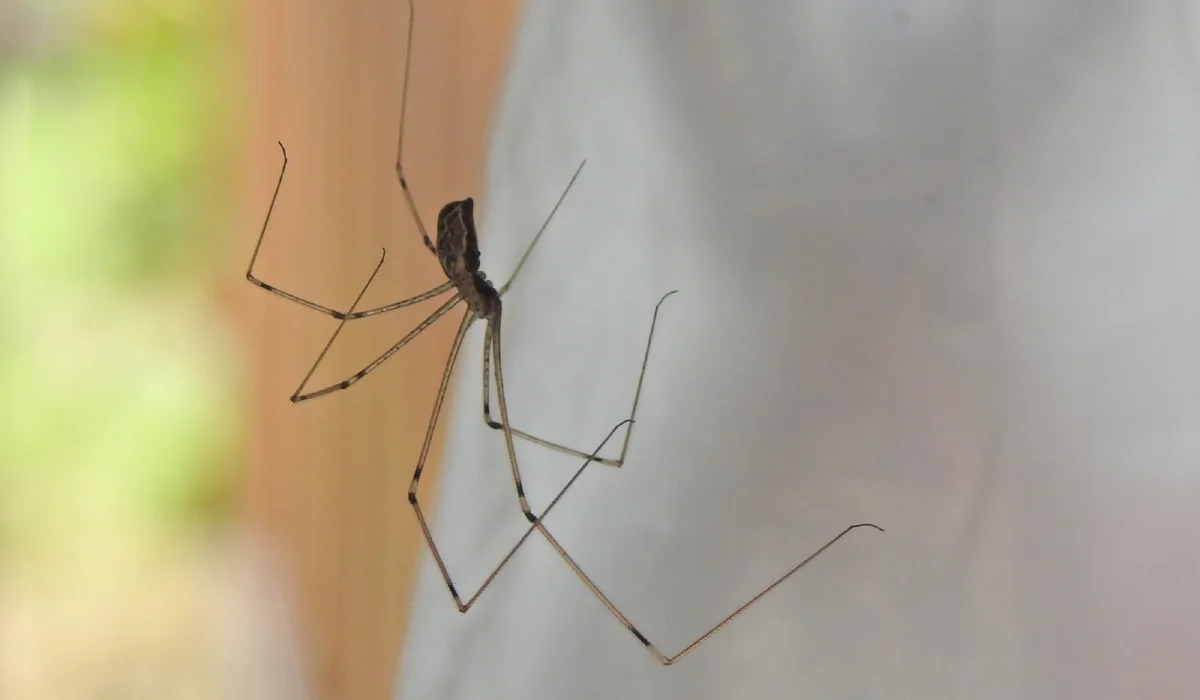
Cellar spider
IDLong, thin legs with a small body, in loose corner webs.
WhereBasements, garages, crawl spaces, and storage areas.
NoteFeeds on insects and even other spiders.
5Low concern
American house spider
IDLight to dark brown, building messy cobwebs in quiet spots.
WhereAttics, basements, garages, and behind furniture.
NoteStays in rarely-disturbed areas and keeps to itself.
6Low concern
Wolf spider
IDLarger and fast, hunts on the ground rather than spinning webs.
WhereGarages, crawl spaces, and near outdoor wood piles.
NoteIts size looks intimidating, but it rarely causes problems.
Thrasher Pest Control is Quality-Pro certified, in the top 3 to 4 percent of the industry, serving San Diego County. Identify first, then treat.
- Most house spiders in San Diego are harmless and help control insects.
- Common household spiders include cellar spiders, wolf spiders, jumping spiders, and orb weavers.
- The black widow spider is the most medically significant in the area.
- Large numbers of spider webs or egg sacs can signal an infestation.
- Professional pest control can check problem areas and reduce indoor spider activity.
Harmless House Spiders You’ll See in San Diego
Several common household spiders appear in San Diego homes. These spiders are rarely aggressive and usually stay out of sight.Cellar Spider (Daddy Longlegs)
The cellar spider, often called daddy longlegs, has long, thin legs and a small body. They often appear in basements, garages, crawl spaces, and storage areas. They build loose webs in corners and feed on insects, including other spiders. They stay where insects are easy to catch.American House Spider
The American house spider is one of the most common house spiders in North America. It is usually light to dark brown and builds messy cobwebs in quiet areas. They live in attics, basements, garages, or behind furniture, where spaces are rarely cleaned or disturbed.Yellow Sac Spider
Yellow sac spiders are often identified by the small, white, silk sacs they build in corners, behind shelves or pictures, and in other tight spaces. These tiny spiders are mostly active at night and tend to move quickly out of sight when disturbed.Jumping Spiders
Jumping spiders are small, active hunters. Instead of building webs, they chase insects during the day. Their short leg span and quick movements make them easy to spot. These spiders often appear on walls, windows, or outdoor surfaces. Many homeowners notice them around patios and gardens.Wolf Spiders
Wolf spiders are larger than the common house spiders. They do not build webs; instead, they hunt insects on the ground. You might see them in garages, crawl spaces, or near outdoor wood piles. While their size can look intimidating, they rarely cause problems.Orb Weaver Spiders
An orb weaver builds large, round webs outdoors. They often appear in gardens, near lights, or between trees. Orb weavers help control flying insects, such as flies and even the occasional wasp. They are not considered dangerous spiders.How to Tell Harmless Spiders From Risky Ones
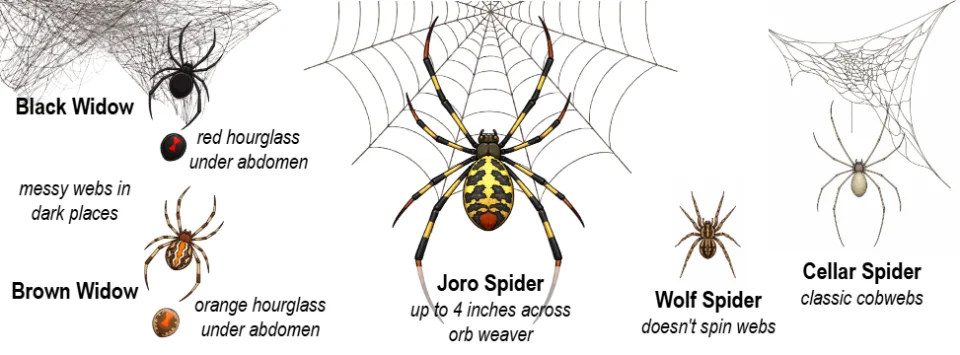 Most spiders in San Diego are harmless, but it helps to spot the few that may cause concern.