Drywood Termites in California: Signs, Damage, and Next Steps

Drywood Termites

Drywood termites are a common issue in California, including many homes in San Diego, which is why many property owners search for termite control in California when they first notice signs of activity. Researchers estimate that drywood termites cause between $1.5 billion and $5 billion in damage across the U.S. each year, underscoring how costly these infestations can become if left untreated.

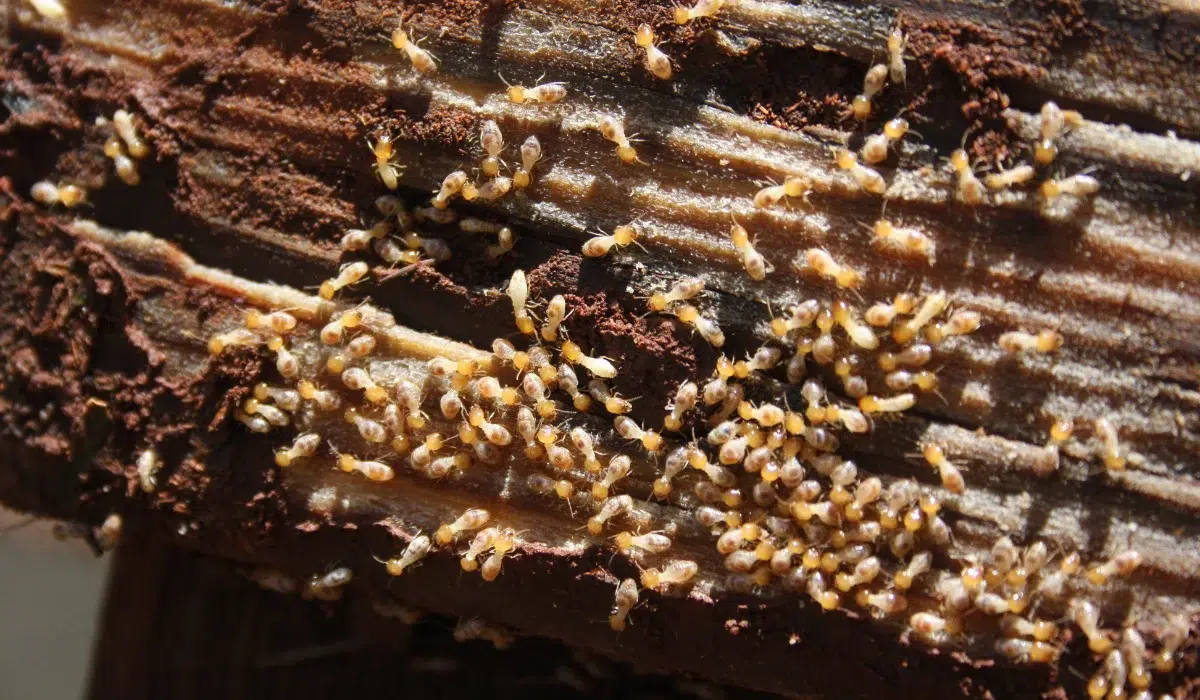
Unlike subterranean termites, drywood termites live inside dry wood and do not need soil contact. Entire colonies grow and reproduce inside the wood they infest without ever venturing out. That makes them harder to spot early.

This guide explains what to look for, what termite damage looks like, and what to do next. Homeowners, tenants, and property managers can use it to understand the problem and next steps.

Key Takeaways

  • Drywood termites live inside wood and can remain hidden for long periods.
  • Common signs include swarmers, termite pellets (frass), and kick-out holes.
  • Termite damage often shows up as hollow wood, warped trim, or bubbling paint.
  • DIY treatments often miss the colony inside infested wood, especially when drywood termite colonies extend deeper into structural wood.
  • Each structure can be home to multiple, unconnected drywood termite colonies
  • A professional termite inspection is the best next step to confirm the problem and determine the appropriate treatment.

Common Signs of Drywood Termites

Drywood termites usually stay hidden inside wood, but they still leave clues. Here are the most common signs to watch for.

Termite Pellets and Frass

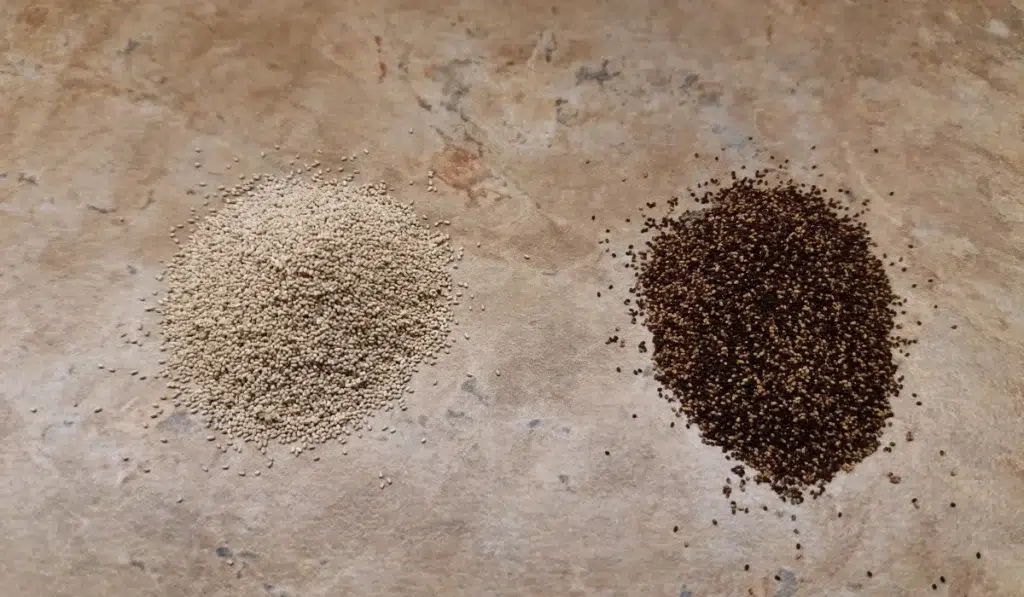
drywood termite pellets light and dark

The clearest warning sign is the presence of pellets. Drywood termites push their waste out of the wood to make more room inside their hidden galleries. This waste looks like tiny sand-like pellets. You may hear it called fecal pellets, termite pellets, or frass.

These pellets often pile up below the activity, such as on a windowsill, floor, or countertop. Vibrations may also cause them to sift down from damaged wood. 

If you keep finding new pellets after cleaning, that is a strong sign of an active drywood termite infestation.

Kick-Out Holes and Small Holes

Drywood termites make small exit holes to expel waste. These are often called kick-out holes, and they can appear as pin-sized openings in trim, baseboards, or wood beams.

You may not see termites, but these holes and pellets usually indicate nearby infested wood.

Swarmers Near Windows and Lights

The presence of swarmers, which are flying termites, inside a structure is a serious issue. These winged reproductives, also known as alates, leave mature drywood termite colonies to start new colonies in nearby wood structures. 

When drywood termites swarm, these winged termites often collect near windows, sliding doors, or indoor lights. You may find them on windowsills or trapped in spider webs.

Seeing swarmers indoors is a sign that the colony is mature and has been active in infested wood for a while. If you look closely, swarmers have straight antennae, bodies without a narrow waist, and four wings of equal length.

Drywood Termite Damage: What It Looks Like

Drywood termite damage can be subtle at first. These are the patterns that show up most often.

Hollow-Sounding or Weak Wood

Drywood termites eat wood from the inside. The outside may look normal, while the inside becomes damaged wood that gradually weakens the structure. When you tap the area, it may sound hollow. Trim may also feel softer than it should.

If a door frame, window trim, or beam starts cracking for no apparent reason, it can be a sign of termite damage.

Blistered Paint and Warped Trim

Termite activity can change the shape of wood. Paint may bubble or look uneven. Trim can warp or lift slightly. These signs may look like moisture damage, but drywood termites can also cause similar changes.

Because moisture damage and termite damage can look similar, schedule a professional termite inspection before you repair or repaint.

Damage in Exposed Wood and Furniture

Drywood termites can infest exposed wood such as fascia boards, patio covers, and window trim. They also infest furniture and fences.

If you see termite pellets under furniture that sits against a wall, check both the furniture and the nearby wood.

What to Do Next After Spotting Signs

If you notice these signs, the next step is to confirm the cause and stop the spread. These steps help prevent the problem from getting worse.

Take Photos and Mark Locations

Start by taking clear photos of pellets, swarmers, and any kick-out holes. Note where you found them and how often they return after cleaning. These details help a technician track likely colony locations.

If you can, keep a small sample of pellets in a sealed container for reference.

Avoid DIY Sprays and Quick Fixes

Many homeowners try DIY sprays or store products containing harmful compounds. The problem is that drywood termites live inside wood, so surface treatments often miss the colony. In some cases, it can push activity deeper into the structure. Even sprays that come with a straw attached to the nozzle do not penetrate deeply enough to fill all galleries and tunnels.

Focus instead on documenting the signs and scheduling a termite inspection.

There is Rarely Just One Colony

The conditions that make a property susceptible to one drywood termite colony also make it attractive to other colonies. In San Diego, it is common to find multiple, unconnected drywood termite colonies in the same structure. These colonies don’t compete with each other as there is enough wood to sustain many, many independent drywood termite queens and their offspring.

Schedule a Professional Termite Inspection

A licensed pest management professional can perform a termite inspection to confirm whether you have drywood termites or another wood pest, such as subterranean termites, carpenter ants, or beetles. An inspection also helps rule out other causes of wood damage.

For many properties, this step prevents guesswork and repeated repairs.

Treatment Options and What to Expect

Once termites are confirmed, treatment depends on the extent of activity. A termite inspector will explain treatment options based on the location of the infestation and the condition of the structure. Here are the common paths and what they usually involve.

Spot Treatments for Localized Activity

When activity is limited to one area, inspectors may recommend spot treatments. Spot treatments target the wood sections where termites are active. They work best when the colony is small and the location is clear.

When termite activity is limited to a specific area, the inspector may recommend localized drywood termite treatment of the affected wood.

Fumigation for Widespread Activity

If drywood termite colonies are found in multiple areas of a structure, inspectors often recommend fumigation. Among available treatment methods, fumigation reaches termites hidden deep inside walls, beams, and other structural wood. This process treats the entire structure, including hard-to-reach areas.

If your termite inspector recommends fumigation, they will explain preparation requirements, timing, and the process before and after treatment.

Follow-Up and Prevention

After treatment, your termite inspector may recommend monitoring or additional inspection if the activity was extensive. Many companies also correct wood-to-wood contact issues and repair or replace damaged trim to reduce future risk.

Ongoing prevention matters in San Diego, where termite pressure is  steady year-round.

Schedule a Termite Inspection and Quote

If you suspect drywood termites in San Diego or elsewhere in California, early action helps limit termite damage and repair costs. 

At Thrasher Pest Control, we provide professional termite inspections performed by a licensed inspector, followed by a written report outlining findings, recommended treatments, and conditions that may increase termite risk. This inspection helps property owners understand the next steps for effective termite control.

If you are also dealing with outdoor burrowing pests, we can discuss gopher control options in the same conversation, so you have a single plan for the entire property.

Contact us today to schedule your termite inspection and request a quote.

FAQs

How are drywood termites different from subterranean termites?

Drywood termites live completely in the wood they eat and do not need additional moisture. Subterranean termites need contact with the soil and the moisture it provides. They usually travel from underground galleries into their wood food source.

Do drywood termites always mean major structural damage?

Not always. Early infestations sometimes affect only a small area. The risk goes up when colonies grow unnoticed, which is why inspection matters.

Is fumigation the only option for drywood termites?

No. Professionally administered pot treatments can work when activity is localized, and the colony area is clear. Fumigation is more common when multiple areas are affected.

Contributor

Garrett Thrasher

Co-owner & General Manager, Thrasher Pest Control

Garrett Thrasher is the Co-owner and General Manager of Thrasher Pest Control, where he leads day-to-day operations for the company’s growing San Diego team. With decades of hands-on industry experience, he specializes in termite control, bed bug management, and solving complex pest problems with practical, long-term solutions.

Table of Contents

Pest-Free Starts With One Call

Privacy Policy

A helpful member of our team will follow up within 15 minutes during business hours to give you a free quote.

San Diego's Pest Control FAQs

Get a free inspection when you book a pest control service.

What pests are covered in your pest control services?

Thrasher Pest Control provides solutions for a wide range of common pests affecting San Diego’s homes and businesses. Services commonly address ants, cockroaches, spiders, rodents, termites, fleas, and other structural or seasonal pests common to San Diego properties. During an inspection, technicians identify the pest activity affecting the property and recommend the most appropriate treatment approach based on the infestation and conditions present.

Response times depend on scheduling availability and the type of service requested. In many cases, technicians are able to schedule service within a short timeframe after a request is received. During the initial contact, the team reviews the pest concern and schedules the earliest available appointment for inspection and treatment.

Preparation requirements vary depending on the type of pest and treatment being performed. For most general pest services, minimal preparation is needed beyond allowing technicians access to key areas of the home and exterior. For specialty services such as bed bug treatments or termite work, the team may provide specific preparation instructions before the scheduled appointment.

Most pest control services begin with a detailed inspection of the property to identify pest activity, entry points, and conditions that may attract pests. After the inspection, technicians apply targeted treatments to affected areas using methods appropriate for the pest involved. Preventive measures such as sealing entry points, removing attractants, and monitoring pest activity are then recommended to help reduce future infestations.

Thrasher Pest Control offers a limited warranty period after the initial treatment. If the target pest is found again in the previously treated area during the warranty period, technicians may return to re-treat the area according to the service agreement. Warranty eligibility depends on the service provided and the property conditions being maintained as recommended by the technician.