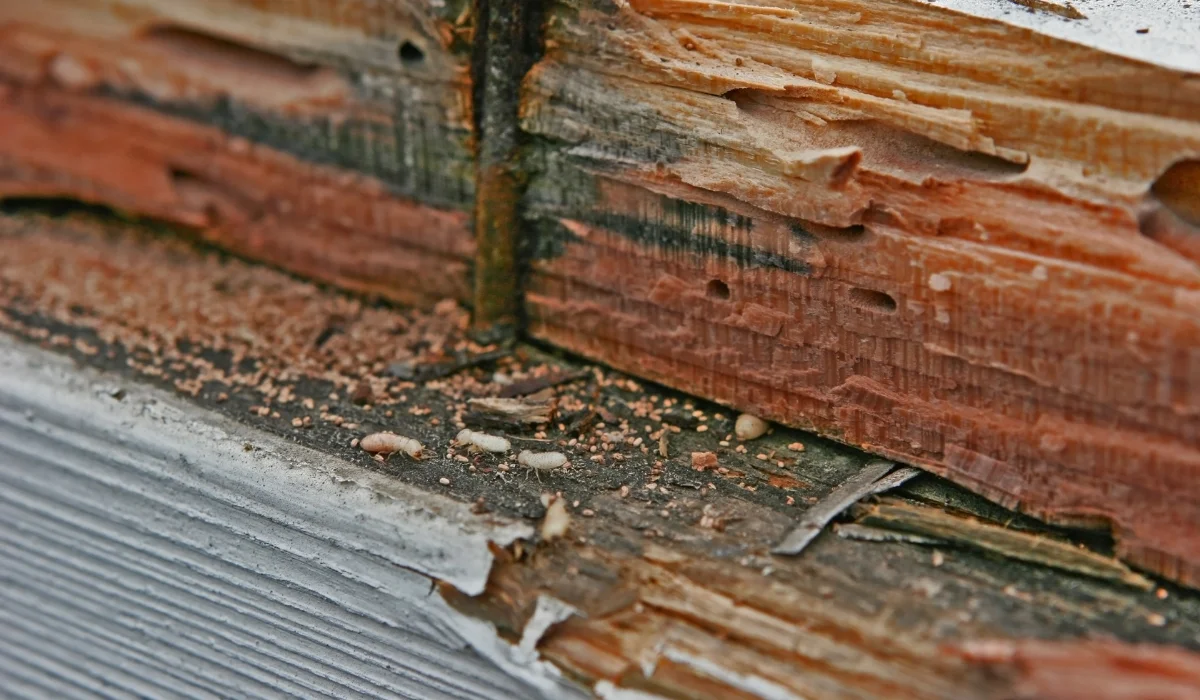
Termite damage does not follow one simple timeline. In San Diego, the speed depends on the termite species, colony size, where the termites are active, and how long they have gone unnoticed.
Formosan subterranean termites are the most urgent concern where they are present because they can grow into large colonies and cause damage faster than the termite species most homeowners are used to seeing.
Western subterranean termites and drywood termites also damage homes, but their damage often develops over time. The longer any colony feeds, the more the damage accelerates as the colony grows.
Key Takeaways
- Termite damage speed depends on the species and colony size.
- Formosan subterranean termites are the most aggressive concern where present.
- Western subterranean termites and drywood termites cause damage over time.
- Damage increases as colonies grow and spread.
- A professional inspection is the only way to confirm type, activity, and extent.
Why There Is No Single Damage Timeline
Homeowners frequently wonder how quickly a termite infestation can lead to damage, as they want to determine if they have days, months, or even years before the issue becomes severe. The honest answer is that the timeline depends on what kind of termites are active.
A small drywood termite colony inside trim does not behave the same way as a large subterranean colony feeding from soil access. A Formosan subterranean termite colony is a different level of concern because mature colonies can be large, aggressive, and difficult to control without a long-term plan.
That is why guessing from one visible sign can be risky. Pellets, wings, mud tubes, damaged trim, or hollow-sounding wood can tell you termites may be present. They do not tell you how far the infestation has spread.
Species Matters Most in San Diego
San Diego homes may be infested with more than one termite type at time. The treatment plan and urgency depend on correct identification.
UC IPM’s guide to subterranean and other termites explains that management depends on the termite type and where the termites are found. Subterranean termites nest in soil and reach wood through soil contact or shelter tubes. Drywood termites nest above ground in dry wood such as lumber, fences, utility poles, and dead tree limbs. Formosan subterranean termites nest below ground and above ground in aerial nests.
For San Diego homeowners, the main point is simple: termite species changes the risk. Formosan subterranean termites need faster attention where they are found. Western subterranean termites and drywood termites still matter, but their damage pattern is usually slower and easier to miss.
Formosan Subterranean Termites Cause Damage Faster
Formosan subterranean termites are the species that raise the most concern in San Diego County where they are present. They are known for large colonies, aggressive foraging, and the ability to damage structures quickly when left unchecked.
Thrasher Pest Control has written about Formosan subterranean termite facts, including their ability to outcompete native subterranean termites and cause significant damage in a short time. These termites require a multi-part control strategy because the colony may affect more than one structure or wood source nearby.
That does not mean every termite sign in San Diego is Formosan activity. It does mean that a suspected subterranean termite issue should not be ignored, especially if activity is found near La Mesa, Rancho Santa Fe, or other areas where Formosan subterranean termites have been documented in the county.
Western Subterranean Termites Usually Damage Over Time
Western subterranean termites are a common termite concern in San Diego County. They live in the soil and access wood through earth-to-wood contact, cracks, joints, or shelter tubes. Their damage often develops gradually, but that does not make them harmless.
Common signs can include:
- Mud tubes along foundations, walls, or crawl spaces
- Swarming termites or discarded wings
- Wood that sounds hollow when tapped
- Soft or blistered wood near moisture-prone areas
- Damage near foundations, framing, or structural support wood
Subterranean termites often work out of sight. By the time surface damage appears, the colony may have been feeding for a while. Regular inspection helps catch activity before the damage becomes more expensive to repair.
Drywood Termites Can Stay Hidden for Years
Drywood termites are different because they do not need soil contact. They live inside the wood they infest, which can make them hard to detect early.
Drywood termites also live deep inside wood and are often difficult to detect until they swarm or signs appear. It also explains that drywood termite colonies are smaller and can take years to mature. Yet, damage is multiplied when a single home supports multiple, distinct and unconnected drywood termite colonies at the same time.
In a San Diego home, drywood termite signs may include:
- Termite pellets below wood trim, windowsills, or furniture
- Tiny kick-out holes in wood
- Discarded wings after a swarm
- Hollow-sounding or damaged wood
- Blistered paint or uneven wood surfaces
Drywood termite damage may seem slow at first, but it can spread quietly across multiple wood members if the infestation is left alone.
Why Damage Speeds Up Over Time
Termite damage becomes more serious as a colony grows. Early activity may affect a small area. Over time, more workers feed, more eggs hatch, more galleries form, and the colony may expand into additional areas.
That is why waiting for obvious damage can be costly. Termites do not need to make noise, show themselves daily, or leave dramatic signs to be active. In many cases, the most important signs are subtle.
Damage speeds up when:
- The colony has more workers feeding
- Moisture or wood-to-soil contact supports subterranean activity
- Drywood termites spread through connected wood members
- Formosan subterranean termites establish a foraging area
- Repairs cover symptoms without treating the infestation
A small visible sign can point to a larger hidden issue. Inspection helps separate minor cosmetic damage from active termite feeding.
Signs You Should Not Ignore
Some termite signs deserve attention even if the damage looks limited. The sooner the species and activity are confirmed, the better the treatment options.
Watch for:
- Mud tubes on foundation walls, crawl spaces, or exterior surfaces
- Termite pellets near windows, baseboards, furniture, or beams
- Discarded wings near doors, windows, or lights
- Swarming termites indoors or around the home
- Hollow-sounding wood
- Soft, blistered, or damaged trim
- Sagging or weakened wood members
- Wood damage found during remodeling or repairs
- And live termites!
Do not seal, paint, or repair over termite signs before an inspection. Covering the evidence can make it harder to identify where the termites are active.
How Thrasher Inspects Termite Activity in San Diego
Thrasher Pest Control provides termite control in San Diego for drywood termites, western subterranean termites, Formosan subterranean termites, and other wood-destroying organisms. Our licensed termite inspectors check areas of concern, identify the type of termite activity, and provide a written report with findings and recommendations.
Depending on what the inspection finds, recommendations may include:
- Local treatment for limited termite activity
- Fumigation for widespread drywood termite colonies
- Barrier treatment for subterranean termite control
- Baiting for ongoing subterranean termite monitoring and control
- Repair or reconstruction for damaged wood
The right plan depends on the species, the extent of the activity, and the parts of the home affected. That is why inspection comes before treatment.
When to Schedule a Termite Inspection
Schedule an inspection when you see termite signs, find damage during repairs, or suspect activity inside wood. You should also schedule one before major remodeling, roof work, or a home sale.
An inspection is especially important if you see signs that may point to subterranean termite activity, such as mud tubes, swarms, or damaged structural wood. When Formosan subterranean termites are a possibility, early identification is critical because the colonies grow very, very quickly.
For drywood termites, do not wait for repeated swarms or growing pellet piles. The visible sign may only be one part of the infestation.
Schedule Termite Control in San Diego
If you are wondering how long termite damage has been happening, the next step is to identify the species and find out where the activity is located. Thrasher Pest Control will inspect your home, explain the findings, and recommend treatment based on the termite type and extent of damage.
Contact us to schedule a termite inspection in San Diego before small signs turn into larger repair concerns.
Frequently Asked Questions
How Long Does a Termite Infestation Take to Cause Damage?
It depends on the species, colony size, and where the termites are feeding. Formosan subterranean termites cause extensive damage very quickly, while western subterranean termites and drywood termites damage wood over time.
Are Formosan Subterranean Termites Worse Than Drywood Termites?
Formosan subterranean termite colonies are the most damaging termites in San Diego County. Drywood termites are still serious, but their colonies take longer to mature.
Do Drywood Termites Cause Damage Slowly?
Drywood termites often cause damage over time because they live inside wood and can be hard to detect early. They may be present for years before signs such as pellets, wings, or visible damage appear.
Can I Tell How Long Termites Have Been Active From the Damage?
Not reliably. Visible damage does not always show the age or size of an infestation. A termite inspection is needed to identify the species, activity, and extent of the problem.
Should I Treat Termites as Soon as I See Signs?
Yes. Termite signs should be inspected promptly. Early identification helps determine whether the problem is drywood, western subterranean, Formosan subterranean, or another wood-destroying organism.