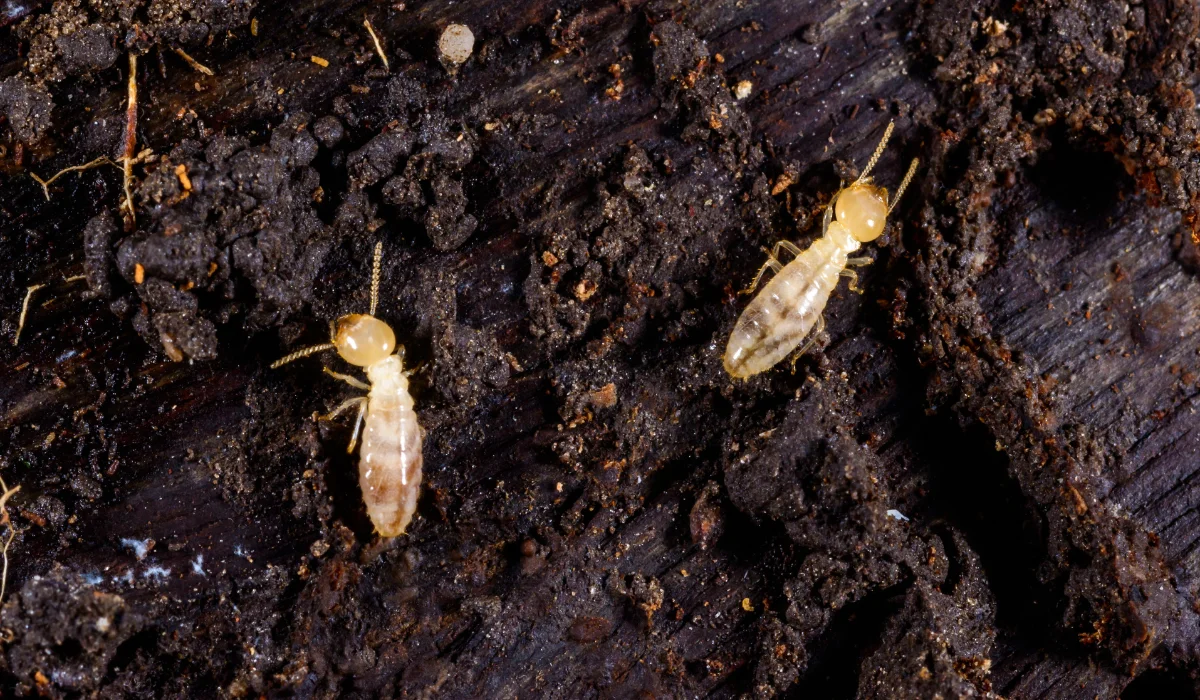
Subterranean termites are a serious concern for San Diego County homes because they live in soil, travel through hidden shelter tubes, and can reach structural wood without being easy to spot. For homeowners searching for subterranean termites San Diego what homeowners should know, the first thing to understand is simple: visible swarmers, mud tubes, or damaged wood should not be ignored.
In coastal areas like Oceanside, termite swarm season can make the problem easier to notice, especially after warm, damp weather. A swarm does not always mean the home is infested, but it does mean termite activity is close enough to deserve attention.
Key Takeaways
- Subterranean termites live in soil and reach wood through mud shelter tubes.
- Spring is a common swarming period, especially after warm rain.
- Mud tubes, discarded wings, and soft wood are warning signs.
- San Diego County also has Formosan subterranean termites in some areas.
- A professional inspection is the safest way to confirm termite activity.
Why Subterranean Termites Are A Serious San Diego Pest
Subterranean termites are different from drywood termites because they usually nest in soil. They need moisture, so they build mud tubes that help them move between the ground and wood while staying protected.
The University of California’s termite guidance explains that subterranean termites build nests in soil and infest wood that touches soil or is reached through earthen shelter tubes. That behavior matters in San Diego because termites can move behind stucco, along foundations, through crawl spaces, and into framing without creating obvious surface damage at first.
Around homes, subterranean termites may be found near:
- Foundation walls
- Garage edges
- Crawl spaces
- Wood fences attached to the home
- Patio posts and deck supports
- Plumbing penetrations
- Moist soil near the structure
By the time wood sounds hollow, blisters, or breaks easily, termite activity may already be established.
Termite Swarm Season In Oceanside, CA
In Oceanside and nearby coastal San Diego communities, subterranean termite swarms are most often noticed in spring, especially on warm days after rain. UC IPM notes that spring, particularly a warm sunny day after rain, is an optimal time for subterranean termite swarming.
Swarming termites are reproductive termites leaving a colony to start new colonies. They are often confused with flying ants, but termite swarmers usually have straight antennae, a thicker waist, and wings of equal length.
You may see:
- Winged termites near windows or sliding doors
- Small piles of shed wings
- Swarmers around porch lights
- Termites emerging from soil, cracks, or interior gaps
- Brief bursts of flying insects after warm, damp weather
Finding swarmers outside does not automatically prove the house is infested. Finding swarmers indoors, near baseboards, window tracks, or wall gaps, is more concerning and should be inspected.
Signs San Diego Homeowners Should Watch For
Subterranean termites are easy to miss because most of their activity happens underground or inside wood. That is why small signs matter.
Look for these warning signs around your home:
- Mud tubes on foundation walls, slabs, piers, or crawl space areas
- Soft, blistered, or hollow-sounding wood
- Tight doors or windows that suddenly change shape
- Discarded wings near windows, floors, or light sources
- Dirt-like material in cracks or seams
- Wood damage near moisture-prone areas
- Termite activity around fence posts, planter boxes, or stored wood
Do not break open mud tubes just to check for activity. That can scatter termites and make the visible evidence harder to evaluate. If you find a tube, take a photo, note the location, and schedule an inspection.
Subterranean Termites Vs. Drywood Termites
San Diego homeowners often hear about both drywood and subterranean termites. The treatment approach depends on the species, so identification matters.
Subterranean termites usually come from soil. They are often connected to foundation areas, crawl spaces, moisture, or mud tubes. Drywood termites live inside wood above ground and are often noticed through pellets, damaged trim, or swarms from inside wood.
Thrasher provides termite control in San Diego for termites and other wood-destroying pests, including inspections, local treatment, fumigation, and repair when damaged wood is found. The right plan depends on what the inspection shows, not a guess based on one visible sign.
What Makes Formosan Subterranean Termites Different
San Diego County has an added concern: Formosan subterranean termites. These termites have been documented in La Mesa, and they require careful identification and monitoring.
This termite has been found in San Diego County and control may involve inspection, soil treatment, monitoring and bait systems, and repair of damaged wood. The USDA’s invasive species profile also lists the Formosan subterranean termite as a species that damages landscape trees and causes structural damage to buildings.
Most homeowners cannot reliably identify termite species on their own. Swarmers can look similar, and hidden colonies may not be visible without a trained inspection. If you live in San Diego County and suspect subterranean termite activity, species identification matters.
Why DIY Termite Control Is Risky
DIY termite treatments can miss the colony, treat the wrong area, or disturb visible evidence before an inspection. Surface sprays may kill a few exposed termites without solving the soil-to-structure problem.
Subterranean termite control often depends on:
- Finding how termites are entering the structure
- Identifying the termite species
- Checking moisture and soil contact conditions
- Treating the source area, not just visible damage
- Monitoring for continued or new activity
- Repairing damaged wood when needed
A professional inspection can separate old evidence from active infestation and help determine whether local treatment, soil treatment, monitoring, fumigation, or repair belongs in the plan.
How To Reduce Subterranean Termite Risk Around Your Home
You cannot make a San Diego home termite-proof, but you can reduce conditions that make access easier.
Start with the areas where soil, moisture, and wood meet:
- Keep soil and mulch from touching wood siding or trim.
- Move firewood, scrap lumber, and cardboard away from the house.
- Repair leaks near exterior walls, crawl spaces, and plumbing lines.
- Improve drainage near the foundation.
- Avoid wood-to-soil contact around decks, fences, and patio posts.
- Keep crawl space vents clear when applicable.
- Schedule inspections if your home has a history of termite activity.
These steps do not replace treatment when termites are already active, but they can reduce future pressure around the structure.
When To Schedule A Termite Inspection
Schedule a termite inspection if you see swarmers indoors, find mud tubes, notice damaged wood, or are preparing to buy or sell a home. You should also schedule one if your property has had past subterranean termite activity.
Thrasher’s termite inspections can check visible and accessible areas for termite evidence, wood-destroying organisms, moisture-related concerns, and damaged wood. If treatment is needed, we explain the finding and recommend the appropriate next step.
For San Diego County homes, early inspection matters because termite activity often stays hidden until repairs become more complicated.
Schedule Termite Control In San Diego County
If you have seen swarmers, mud tubes, damaged wood, or possible termite activity around your Oceanside or San Diego County home, Thrasher Pest Control can help you identify the problem and choose the right treatment path.
Contact Thrasher Pest Control to schedule a termite inspection or request help with subterranean termite control.
Frequently Asked Questions
When Is Subterranean Termite Swarm Season In Oceanside, CA?
Subterranean termite swarms are often noticed in spring, especially after warm rain. In Oceanside and nearby coastal communities, swarmers may appear near windows, lights, patios, or exterior gaps.
Does Seeing Flying Termites Mean My House Is Infested?
Not always. Swarmers outdoors may come from nearby soil or landscape areas. Swarmers indoors, shed wings near windows, or termites emerging from wall gaps are stronger reasons to schedule an inspection.
What Do Subterranean Termite Mud Tubes Look Like?
Mud tubes look like narrow dirt-colored trails on foundations, walls, piers, or other surfaces. Termites use them to stay protected while moving between soil and wood.
Are Subterranean Termites Worse Than Drywood Termites?
Both can damage homes, but subterranean termites can be especially difficult because they move from soil into structural wood through hidden routes. Treatment depends on proper identification.
Can Thrasher Help With Subterranean Termites In San Diego County?
Yes. Thrasher Pest Control provides termite inspection, treatment, monitoring, fumigation when appropriate, and wood repair services for San Diego County properties.