Share this
How Many Termite Swarmers Is “Too Many”?
by Thrasher Pest Control on Mar 11, 2026 12:00:00 AM

If you notice winged insects around your windows or porch lights, you may wonder if they are flying ants or termite swarmers. At first glance, they look very similar. Then you notice more of them. That leads to a bigger question: how many termite swarmers are too many?
In San Diego County, termite swarm season happens twice a year. Because our climate stays mild all year, termites stay active year-round. When swarmers appear, many homeowners feel surprised.
Even a small number of termite swarmers inside your home can mean a much larger problem behind the walls and may require professional termite control.
Key Takeaways
- Even a small number of termite swarmers indoors can signal an established colony nearby.
- Piles of discarded wings on windowsills are a common early warning sign of a termite infestation.
- Swarming termites do not cause damage themselves, but they indicate active termite activity.
- A professional termite inspection is the best way to confirm whether you have a termite problem.
What Are Termite Swarmers?
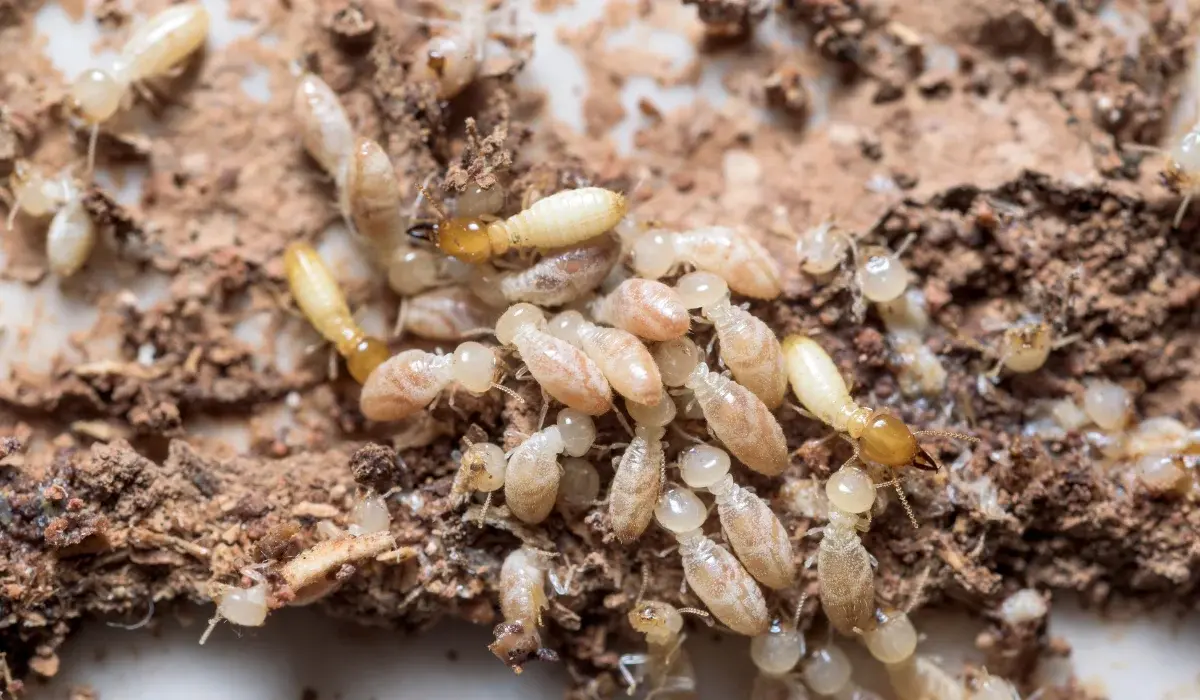
Termite swarmers, also called alates, are reproductive termites. Their job is to leave a mature colony, mate, and start new colonies.
You usually see them in spring, and again in late summer or fall, often after warm weather or light rain. Swarmers do not eat wood during this stage. Worker termites handle feeding inside the colony. Swarmers exist to reproduce and create new colonies. Once they land, they shed their wings and search for a place to nest.
That is why you often find discarded wings on windowsills, in spider webs, or near light fixtures. Those wings are not random. They show that reproductive termites were active inside or very close to your home.
How Many Termite Swarmers Is Considered Too Many?
With termite swarmers, location matters more than the number you see.
If you see one or two outside during swarm season, that can be normal in parts of San Diego, especially in areas like Escondido or El Cajon, where drywood termites are common.
Dozens or hundreds of swarmers around lights at night, especially in La Mesa and Rancho Santa Fe, mean Formosan subterranean termite colonies are nearby. These are the most damaging termites in San Diego county and professionals should be called immediately.
However, if you find even a handful of termite swarmers inside your home, that is a warning sign. A dozen flying termites near a window can mean a colony is already inside your home.
If you see dozens or hundreds of flying termites coming out of baseboards or wall cracks, you likely have a mature colony that has been active for years. By then, your home may already have sustained damage.
Why Swarmers Inside Your Home Matter
Seeing termite swarmers inside usually indicates an infestation.
Unlike flying ants that wander in from outside, flying termites inside usually come from the walls, attic, or crawl space.
Western and Formosan subterranean termites build mud tubes to travel between soil and wood. If those tubes connect to framing inside your home, swarmers can enter your living space. Drywood termites live directly inside wood and release swarmers to the exterior through small holes.
In both cases, swarmers are only the part of the colony you see. Out of sight, thousands of worker termites may already be feeding. Over time, this feeding causes termite damage that weakens support beams, window frames, and other parts of your home.
Termite Swarmers vs Flying Ants
Many homeowners confuse termite swarmers with flying ants. Although they look similar at first glance, there are clear differences.
- Termite swarmers have straight antennae, equal-length wings, and a thick waist.
- Flying ants have bent antennae, uneven wing sizes, and a pinched waist.
If you are not sure which insect you see, do not guess. If you misidentify termites and ants, you may delay treatment and let termite activity continue.
What Triggers A Swarm Event?
A swarm usually happens when a termite colony becomes mature. It can take several years for a colony to reach that stage. When the colony grows large enough, it produces alates during a certain time of year.
In San Diego, subterranean termites often swarm in spring. Drywood termites commonly swarm in late summer or early fall. Warm weather and higher humidity often trigger swarming behavior.
Because our region stays warm most of the year, termites can stay active year-round. Do not ignore swarmers even if it does not seem like swarm season.
Signs You Have More Than Just A Few Swarmers
If you only see a few flying termites outdoors and nothing else, you may not need immediate treatment. Still, you should stay alert.
If you notice mud tubes along your foundation, hollow-sounding wood, bubbling paint, or piles of discarded wings indoors, a colony is likely already inside your home.
You may also see small piles of frass or pellets that look like fine sand. Drywood termites leave this behind as they tunnel through wood.
Can DIY Methods Stop Termite Swarmers?
When people see flying termites, many reach for DIY sprays or store-bought products. While those may kill visible swarmers, they do not eliminate the termite colony behind the walls or in the soil.
Swarmers represent a tiny fraction of the total population. Killing a few reproductive termites does nothing to stop worker termites from feeding.
Effective termite control focuses on locating the source, identifying the termite species, and applying targeted fumigation or treatment when necessary. Without a thorough inspection, you are only addressing symptoms.
Why A Professional Termite Inspection Matters
The only way to confirm whether you have a small swarm or a serious infestation is with a professional inspection.
During a termite inspection, technicians check for mud tubes, damaged wood, active galleries, frass, and other signs of termite activity.
We take time to inspect each home carefully. We have helped thousands of homeowners across San Diego County with termite problems.
If you are unsure, we offer a free termite inspection to provide clear answers without pressure. We will explain whether you need monitoring, localized termite treatment, or full-structure termite fumigation or treatment.
Making The Right Decision About Termite Swarmers In San Diego County
Termite swarmers are often the first visible sign that something is happening out of sight. What matters most is getting clear answers quickly so you can make an informed decision about your home.
Every property is different. The colony’s size, the location of activity, and the species of termites involved all affect the next steps. A detailed inspection gives you a clear understanding of what is present and what action, if any, is needed.
At Thrasher Pest Control, we provide thorough termite inspections for homeowners throughout San Diego County. You will receive straightforward findings and practical recommendations based on what we see.
Contact us today to schedule your free termite inspection.
FAQs
How many termite swarmers indicate an infestation?
If you see termite swarmers inside your home, even a small group can indicate an established colony. Outdoor swarmers may come from nearby trees or soil, but indoor swarmers often mean the termite colony is already inside the structure.
Do termite swarmers cause damage themselves?
Swarming termites do not cause structural damage. Worker termites are responsible for feeding on wood. However, the presence of termite swarmers indicates active infestation and may already be causing damage behind walls or under flooring.
What should I do if I see discarded wings on my windowsills?
Discarded wings on windowsills usually indicate that reproductive termites have emerged nearby and shed their wings. Finding these wings is a clear reason to schedule a termite inspection. A pest control company can confirm the termite species and recommend the proper treatment if needed.
Share this
- Pest Control (11)
- Termites (9)
- Coloring Page (8)
- Bed Bugs (6)
- Coronavirus (5)
- Rodent Control (5)
- Mosquitoes (4)
- News & Updates (4)
- Pest Control Service (4)
- Pet-Friendly Pest Control (4)
- Rats and Mice (4)
- Bee (3)
- Deer Mice (3)
- Formosan Subterranean Termites (3)
- Insects (3)
- Contest (2)
- Flies (2)
- Hantavirus (2)
- Indianmeal Moth (2)
- Pantry pests (2)
- Pet-Friendly (2)
- Rodents (2)
- Spider (2)
- Termite Swarmers (2)
- Ants (1)
- Bathroom Remodel (1)
- Bathrooms (1)
- Bed Bug Tips (1)
- Cockroaches (1)
- Damaged Window Screen (1)
- Father's Day (1)
- Fleas (1)
- Flying Ants (1)
- Gopher (1)
- Holiday pest prevention (1)
- Insect Emergence (1)
- Moisture Issues (1)
- Moth (1)
- Pest Gazette (1)
- PestVets (1)
- Remodel (1)
- Stinging Insect Pests (1)
- Thanks (1)
- Ticks (1)
- World Pest Day (1)
- Yellowjacket (1)
- Yellowjacket Control (1)
- are chocolate chips infested (1)
- flour bugs in kitchen (1)
- how to check rice for bugs (1)
- pantry moth webbing (1)
- pantry pest (1)
- signs of pantry pests (1)
- termite extermination (1)
- termite fumigation (1)
- termite inspection (1)
- what is frass (1)
- March 2026 (4)
- November 2025 (1)
- October 2025 (1)
- April 2025 (1)
- October 2024 (3)
- September 2024 (1)
- July 2024 (1)
- October 2023 (1)
- August 2023 (1)
- May 2023 (1)
- March 2023 (2)
- December 2022 (2)
- October 2022 (1)
- June 2022 (1)
- May 2022 (1)
- January 2022 (1)
- August 2021 (1)
- February 2021 (1)
- June 2020 (1)
- April 2020 (5)
- May 2019 (1)
- October 2018 (5)
- August 2018 (2)
- July 2018 (4)
- June 2018 (6)
- April 2013 (1)


No Comments Yet
Let us know what you think